
Pepsi is one of the world’s leading soft drink brands, with a brand value of almost 18 billion U.S. dollars in 2024. It may not be the market leader (no prizes for guessing who is), but with over 125 years of history behind it, Pepsi has proven it’s more than capable of holding its own.
So, how has Pepsi stood the test of time when faced with such fierce competition?
It’s all down to its marketing.
From superstar endorsements to limited-edition flavors, Pepsi’s marketing strategy is built on bold moves and big ideas that keep the brand fresh and firmly in the spotlight.
In this article, I’ll take a closer look at what makes Pepsi’s marketing so successful. I’ll break down the four Ps of Pepsi’s marketing strategy, shine a light on some of its most successful marketing campaigns, and share seven key lessons your brand can steal to stand out from the competition.
The Pepsi origin story
Pepsi’s story starts back in 1893 in the town of New Bern, North Carolina. It was here that a young pharmacist named Caleb Bradham created a fizzy drink made from sugar, water, caramel, lemon oil, nutmeg, and other natural flavors. He named his creation “Brad’s Drink.”
Just five years later, he renamed it Pepsi-Cola – a nod to its supposed digestive benefits (the “Pepsi” comes from “dyspepsia”, meaning indigestion) and the popularity of cola-style drinks.
Pepsi grew quickly, and by 1910, the soda was being bottled in 24 states. But it wasn’t all smooth sailing. The company went bankrupt in the 1920s due to speculated sugar price spikes after World War I.
Despite this setback, Pepsi’s story was far from over. It was revived in the 1930s under new ownership, with a smart pricing tactic: offering 12-ounce bottles for the same price as Coca-Cola’s 6.5-ounce version. That bold move helped Pepsi win over budget-conscious consumers during the Great Depression – and established the brand’s scrappy, challenger spirit.
Since then, Pepsi has continued to evolve, rebranding and repositioning itself over the decades. Fast-forward over 125 years, and the brand has cemented itself as a leader in the beverage industry. And a staple in fridges, vending machines, and restaurants around the world.

Supercharge your marketing reviews
Share content, get feedback, and manage approvals with Filestage.
Who is Pepsi’s target audience?
At the heart of Pepsi’s marketing strategy is a focus on younger consumers. While Coca-Cola’s marketing strategy leans into nostalgia and tradition, Pepsi takes a different route, positioning itself as bold, playful, and in tune with the times.
The brand has long been associated with “the new generation.” In fact, that was the tagline for one of its biggest marketing campaigns in the 1980s.
That’s why, these days, you’ll find Pepsi front and center at music festivals. On Super Bowl halftime stages. Splashed across limited-edition packaging collabs with artists and designers. Wherever the younger generation is, Pepsi shows up.
With that in mind, let’s take a look at Pepsi’s marketing mix and how it uses the four Ps to connect with its target market.
What are the four Ps of Pepsi’s marketing strategy?
The Pepsi marketing strategy revolves around the four Ps: Product, Price, Place, and Promotion. Each one plays a key role in helping the brand stay relevant, accessible, and appealing to its target audience.
Here’s a breakdown of each pillar in the brand’s marketing mix.
Product
Pepsi’s product lineup includes the classics (think: regular Pepsi, Diet Pepsi, and Pepsi Max), plus a long list of limited-edition flavors and regional variations. It’s also part of a much wider PepsiCo operation in the food and beverage industry, with a diverse product portfolio that spans snacks and drinks like Mountain Dew, Gatorade, Lays, and Doritos.
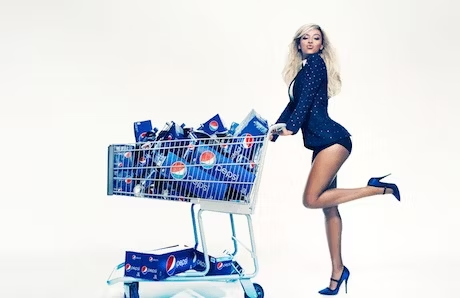
To stay competitive, Pepsi’s product strategy involves regularly experimenting with innovative new ideas. From nitrogen-infused Pepsi Nitro to Pepsi Zero Sugar flavors like Strawberries ‘N’ Cream and Cream Soda, the brand isn’t afraid to try something new. And the packaging plays a part too, with bold designs and brand collaborations with the likes of Beyoncé, Star Wars, and Cracker Jack that double as collectibles.

Price
Pepsi has always played the role of the value challenger – most famously during the Great Depression, when it offered twice as much cola for the same price as its main competitor, Coca-Cola.
That spirit lives on in its pricing strategy today. From everyday discounts and bundle deals to seasonal offers, Pepsi does what it can to keep its products accessible and appealing to price-conscious shoppers.
At the same time, limited editions and premium flavors give the brand room to price certain products slightly higher. These higher-value items are often launched in more affluent markets and for health-conscious consumers, adding an extra layer of choice for those looking for something a little different.
Place
Pepsi is everywhere. From supermarket shelves and vending machines to cinemas, stadiums, gas stations, and restaurants, you’ll find the brand in over 200 countries worldwide. And it has one of the most advanced supply chains on the planet.
A key part of Pepsi’s distribution strategy is its exclusive partnerships with major restaurant chains. In the likes of Pizza Hut, KFC, and Taco Bell, Pepsi has struck deals to establish itself as the only cola offering. This doesn’t just boost brand visibility, it also reinforces Pepsi’s place at the heart of popular culture.
Promotion
This is where Pepsi really shines. Its promotions are loud, bold, and highly tuned into pop culture. Pepsi invests heavily in making a splash, whether its in the Super Bowl halftime show, a digital campaign, or a celebrity partnership.
Here are some of the key tactics in Pepsi’s promotional strategy:
- Celebrity endorsements – Pepsi has a long history of partnering with music legends. Think: Michael Jackson, Britney Spears, Beyoncé. These collaborations not only boost brand visibility but also reinforce Pepsi’s image as youthful, dynamic, and in-the-know.
- Event sponsorships – Whether it’s the Super Bowl halftime show, the UEFA Champions League, or more recently, Formula One, Pepsi is committed to being part of significant cultural moments. These high-profile partnerships connect Pepsi with moments of shared excitement and keep the brand front-of-mind for millions of viewers worldwide.
- Innovative campaigns – Pepsi has never been shy about pushing creative boundaries. From undercover taste tests to TikTok-only promotions, the brand keeps its promotional campaigns fresh, playful, and experimental. We’ll take a look at three of Pepsi’s most successful marketing campaigns in just a moment.
- Digital engagement – Pepsi is quick to embrace new channels like TikTok and YouTube to engage younger audiences. Interactive digital marketing campaigns, like the modern revival of the Pepsi Challenge, encourage user participation, building real connections and a sense of community around the brand.
Through it all, Pepsi continues to position itself as more than just a drink. It’s an experience. A feeling. A brand that’s always part of what’s happening right now.
Three of Pepsi’s most successful marketing campaigns
Pepsi is renowned for its innovative marketing campaigns, many of which have boosted sales and left a lasting impact on pop culture.
Here are three of its most successful and iconic advertising campaigns:
1. The Pepsi Challenge
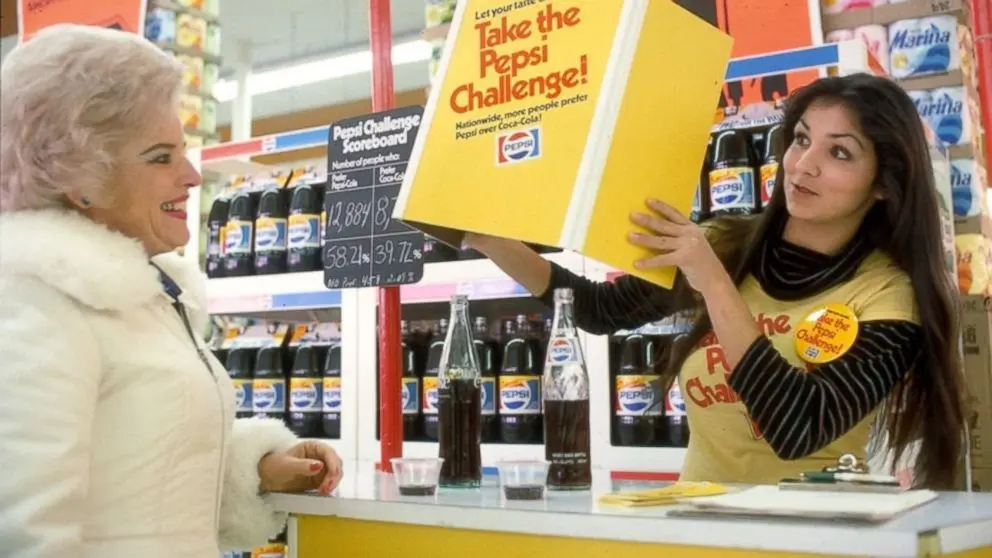
Pepsi’s most successful marketing campaign is, without a doubt, the Pepsi Challenge. Launched in the 1970s, this campaign challenged consumers to blind taste test Pepsi and Coca-Cola. And – surprise, many participants preferred Pepsi! This clever campaign put its main competitor on the defensive, generated significant buzz, and boosted Pepsi’s global brand awareness.
2. The Pepsi Generation

One of Pepsi’s most defining campaigns came in the 1960s with The Pepsi Generation. Instead of focusing on taste, the campaign sold a lifestyle – one that was young, vibrant, and full of energy. This marked a significant turning point for Pepsi, helping it gain ground on Coca-Cola and setting the tone for how Pepsi has positioned itself ever since.
3. The Joy of Pepsi
In the early 2000s, Pepsi launched The Joy of Pepsi. It was an iconic television advertising campaign fronted by Britney Spears. It was a standout example of Pepsi’s advertising strategy in action – using star power and entertainment value to connect with a younger audience. The campaign played a big part in positioning Pepsi as young, fun, and in tune with the new generation.
Like these examples? Check out the best Coca-Cola ads of all time for more inspiration from the competition.
Seven lessons from Pepsi’s marketing strategy
So what can you learn from Pepsi’s success? Here are seven key takeaways you can steal from Pepsi’s marketing strategy to level up your own marketing efforts.
Lesson one – understand your audience
Pepsi’s entire brand identity is built around knowing who it’s for and speaking directly to that audience. By partnering with pop icons, launching TikTok campaigns, and sponsoring major sporting events, Pepsi speaks directly to a young, energetic audience that values culture, connection, and fun.
How to apply this to your brand
- Define your audience and deep-dive into their mindset, habits, and what they care about
- Find out which social media platforms they use and which cultural moments matter to them
- Match their tone and energy, while staying true to your brand’s identity
- Build stories and experiences that feel made for them
Lesson two – build a brand people want to be part of
Pepsi has never just been about what’s in the can. It’s built a brand that people feel proud to hold, wear, share, and celebrate. By creating emotional connections and aligning with the values of its audience, the brand creates a sense of belonging. Something that people want to be part of.
How to apply this to your brand
- Focus on the emotional role your brand plays in people’s lives
- Align with values your audience cares about – be it creativity, sustainability, or self-expression
- Create opportunities for your audience to participate, co-create, or feel part of something bigger
Lesson three – stay culturally relevant
Pepsi’s marketing stays fresh because the brand is always in the mix. And it doesn’t just react to culture, it actively participates in it (well, except for that Kendall Jenner ad).
By showing up where people are already paying attention, Pepsi keeps its message current, familiar, and part of the conversation. And that’s exactly how it stays front of mind in a fast-moving world.
How to apply this to your brand
- Keep an eye on emerging trends, digital platforms, and shifts in pop culture
- Look for creative ways to tie your brand into what people are already talking about
- Balance relevance with authenticity – but don’t force it if it doesn’t fit with your brand
- Refresh your messaging regularly to reflect the current cultural moment
Lesson four – choose partners who elevate your brand
Pepsi doesn’t collaborate for the sake of it. It chooses partners who reinforce its brand image and expand its reach. From global icons like Beyoncé to major restaurant chains like KFC, these relationships help Pepsi stay visible in all the right places. At the same time, tapping into the trust and loyalty that these partners have already earned.
How to apply this to your brand
- Choose collaborators who reflect your brand values and amplify your message
- Look for partnerships that open doors to new audiences or channels
- Think long-term – the best partnerships grow with your brand
- Make sure both sides bring value, so the connection feels natural and mutual
Lesson five – embrace innovation
Pepsi isn’t afraid to shake things up. From launching nitrogen-infused colas to experimenting with bold new flavors and limited-edition drops, the brand constantly looks for fresh ways to excite its audience. It’s also quick to explore new tech and new platforms, staying ahead of the curve and keeping things interesting.
How to apply this to your brand
- Experiment with new formats, channels, or product features – even on a small scale
- Use tech creatively to enhance your message or customer experience
- Test, learn, and adapt – not everything has to be perfect the first time round
Lesson six – keep an eye on your competition
Pepsi’s long-running rivalry with the Coca-Cola company has shaped much of its marketing strategy. And sharpened its edge. Pepsi has made a habit of watching its biggest competitor closely, then finding creative ways to stand apart. Great examples of this include the Pepsi Challenge to cheeky ad placements,
How to apply this to your brand
- Pay attention to what your competitors are doing and how your audience is responding
- Look for gaps or market trends you can approach in your own unique way
- Use competitive pressure as motivation to stay sharp, bold, and creative
- Focus on what makes your brand different – and make sure your audience sees it too
Lesson seven – make brand consistency a top priority
Across decades of campaigns, Pepsi’s brand identity has remained unmistakable – bold, youthful, and full of energy. Its color palette, logo, tone of voice, and messaging reinforce the same core feeling. That level of consistency builds recognition, trust, and emotional connection over time.
How to apply this to your brand
You don’t need a billion-dollar marketing team to build brand consistency – just the right tools and processes to help you stay aligned across every channel and asset.
That’s where online proofing tools like Filestage come in.
Supercharge your marketing reviews
Share content, get feedback, and manage approvals with Filestage.
With Filestage, you can:
- Create one central space for managing creative assets, feedback, and approvals
- Keep your review process on track by making sure the right people see (and sign off on) the right content at the right time
- Streamline repetitive tasks to speed up approvals by 30%
- Use AI-assisted reviews to check content against brand guidelines and industry regulations
For more lessons from the world’s biggest brands, discover the secrets behind Nike’s marketing strategy and Disney’s marketing strategy.
Next steps
Now that you know the secrets behind Pepsi’s marketing strategy, it’s time to take those lessons and put them into practice.
And if you need a hand with the brand consistency part, Filestage is here to help.
Ready to start saving one day per week on content approvals? Start a free trial today.