When you think of the world’s most iconic brands, Disney has got to be up there. From the films and characters to the theme parks and merchandise, the beloved brand has the world wrapped around its little finger.
And the stats speak for themselves.
Disney has been going strong for more than 100 years. And in Forbes’ latest list of the World’s Most Valuable Brands, Disney ranks in seventh place – topped only by tech giants and Coca-Cola.
In this guide, I’ll explore how Disney keeps the magic alive after more than a century in the business, and explore five key things that travel brands can learn from Disney’s success.
To really understand the brand and why it’s stood the test of time, we need to start at the very beginning.
Let’s take a look at Disney’s story and what’s gone on behind the scenes over the past 100 years.
Company history – building one of the world’s most beloved brands
Once upon a time there were two brothers, Walt and Roy Disney, who had a dream of bringing animated stories to life.
1920s
In 1923 the brothers founded the Disney Brothers Studio in Los Angeles, and their first major breakthrough came in 1928 with the creation of Mickey Mouse. The famous mouse made his debut in Steamboat Willie, the first ever animated film to feature synchronized sound, marking the beginning of Disney’s rise to fame.

Source: d23.com
Supercharge your marketing reviews
Share, review, and approve all your content in one place with Filestage.
1930s
In 1937, Disney made history with the release of Snow White and the Seven Dwarfs – the world’s first full-length animated feature film. This success allowed the company to expand and create even more classics: think Pinocchio, Fantasia, and Bambi. And this quickly solidified Disney as a leader in the family entertainment industry.
1950s
By the 1950s, Walt Disney had a new vision – creating a place where families could experience the magic of his films firsthand. In 1955, the first ever Disneyland opened in California, redefining amusement parks with its immersive world of storytelling and themed lands.
Disneyland became an instant hit, setting the stage for Disney to expand into television, live-action films, and merchandising. All while maintaining the company’s core value of bringing joy to families around the world.

Source: paleofuture.com
1960s
Throughout the next few decades, Disney faced a whole lot of highs and lows. Walt Disney’s death in 1966 left the company at a crossroads, but Disney kept on innovating, expanding its reach into global markets and opening new Disney parks further afield.
1970s
In 1971, Walt Disney World opened in Florida, and Tokyo Disneyland and Disneyland Paris followed. What started as one park became a worldwide vacation destination that kids and adults alike were desperate to visit.

Source: disneylists.com
1980s and 1990s
By the late 1980s and 1990s, The Walt Disney Company experienced a renaissance with classic animated films like The Little Mermaid, Beauty and the Beast, and The Lion King, drawing in new generations of fans. Fast forward to the 21st century and a wave of innovation and acquisition propeled Disney to new heights.
To the noughties and beyond
In 2006, Disney acquired Pixar Animation Studios, followed by Marvel Studios in 2009 and Lucasfilm (home of Star Wars) in 2012. The launch of Disney+ in 2019 positioned the company front and centre of digital streaming.

Source: blog.ravulacharan.com
What started as a small animation studio in the 1920s is today one of the most beloved brands in the world.
So what are its secrets? Let’s take a look at five key qualities that have defined Disney’s marketing strategy and made it so successful for so long.
Supercharge your marketing reviews
Share, review, and approve all your content in one place with Filestage.
Disney’s marketing goals and objectives
Now that we know the history of the most nostalgic brand around, let’s take a closer look at the goals its strategy aims to achieve.
1. Build and maintain brand loyalty
Whether it’s a Disney movie, a Disney theme park, a Disney store, or a Disney toy, there’s a consistent standard of quality you can expect. This helps the brand create loyal customers who will stick with the brand through thick and thin.
Here are some ways Disney builds brand loyalty:
- Emotional storytelling that creates real ties to the brands and keeps fans invested across generations
- Disney membership and loyalty programs across its content, merchandise, and theme parks create brand advocates
- Nostalgic marketing (like reviving classics for anniversaries and introducing old characters in new formats) appeals to both new and returning fans

2. Prioritizing global reach
In 2025, Walt Disney’s marketing strategy places a high premium on worldwide appeal and localizing content production. It achieves this in a number of ways:
- Introducing new Disney movies that resonate with specific cultures
- Opening international theme parks everywhere from Paris to Tokyo
- Expanding its digital streaming services, Disney+ and Hulu, into new markets
3. Immersive Disney experiences
It may be over a century old, but Disney still feels like a modern brand. A big part of that is down to the variety in its marketing mix.
Here are some of the engaging content marketing tactics Disney uses to keep its fans connected to the brand:
- Virtual and augmented reality to engage users (like its Star Wars: Galaxy’s Edge themed attraction area)
- AI-driven personalized experiences like tailored recommendations
- Interactive storytelling that lets fans take control of narratives and be part of the story

4. Nurturing strategic partnerships
Disney’s marketing strategy has a strong focus on collaborations that help uplift the brand and create a better customer experience.
That includes successful brand collaborations with LEGO and digital content partnerships with Apple.
Who is Disney’s target audience?
In a nutshell, Disney’s target audience spans all ages, genders, and backgrounds. But there is a special focus on three audience segments:
Families and childen
Families with children between three and 12 are Disney’s core audience. This is evident in any Disney theme park or store. But Disney is clever and knows that it has to appeal to the decision-makers, AKA the parents, too. That’s why much of its messaging is centered around family bonding and shared experiences.
Young adults
Disney also targets young adults between 18 and 30 who have loved the brand since they were children. Franchises like Marvel, Star Wars, and Disney+ original series keep this generation hooked to the brand. Disney’s social media strategy expertly plays into this by posting fan art and memes that appeal to this audience sengment.
Seniors
Disney taps into feelings of nostalgia with its remakes and movie releases to appeal to seniors who grew up with the brand.
What is Disney’s marketing mix?
Here’s a brief breakdown of Disney’s marketing mix with some strategies you can steal, no matter the size of your brand:
1. Price
Disney manages to make the brand feel both accessible and exclusive with a tiered, value-based pricing strategy. Here are some examples:
- Ticket prices for Disney theme parks are typically premium, but it also offers more budget-friendly resort options for families
- Pricing is dynamic, with higher ticket prices during peak season and discounts during quieter periods
- Disney merchandise is generally accessible, but it has premium pricing for limited-edition or exclusive items
- Disney offers multiple subscription tiers for Disney+ to suit different budgets
2. Product
Disney’s product line is diverse, but always true to the brand. Here are the core products that it focuses on:
- Film and TV – A fun mix of animated classics, live-action films, and major franchises
- Theme parks and experiences – Disneyland and Walt Disney World
- Merchandise – Disney-branded toys, clothing, collectables, and limited-edition pieces

3. Place (Distribution)
As we saw in Disney’s marketing goals, global reach is a top priority. Thanks to its omnichannel strategy that integrates both physical and digital worlds, you can find Disney products and experiences all over the globe.
4. Promotion
Disney uses integrated marketing campaigns that target multiple channels, including TV, social media, in-park promotions, and digital platforms. This, coupled with strategic partnerships with major brands like LEGO and McDonald’s, keeps Disney top of mind.
Five factors that keep Disney’s magic alive
From Disney’s origin story you can get a real sense of why this beloved brand has stood the test of time. But what exactly is it that makes the brand so magical? For me, the success of the Walt Disney marketing strategy revolves around five key elements.
Let’s take a look!
1. Storytelling
Storytelling is at the very heart of everything Disney does. It’s the brand’s raison d’etre. Disney excels at telling stories that resonate emotionally with audiences of all ages, creating narratives that capture hearts and spark imaginations.
With inspiring characters and compelling plots, Disney draws people into worlds they never want to leave. From there, the magic extends beyond the screen into Disney products, theme park attractions, and immersive experiences. But it all starts with the story – the foundation that builds those deep emotional connections with audiences.
These connections foster a sense of belonging and nostalgia (more of nostalgia shortly), transforming audiences into lifelong fans and building unwavering brand loyalty.
2. Continuous innovation
Since the Disney brand was launched more than 100 years ago, it has continuously innovated to stay relevant and ahead of the curve. It was the first company to create an animated film with synchronized sound. The first to create a full-length animated feature film.
It redefined amusement parks with the launch of Disneyland. And it launched the Disney+ streaming service to stay culturally relevant to new generations.
The brand consistently adapts to new technologies and audience demands, helping it stay current and remain a global leader in entertainment.
3. Consistency, consistency, consistency
For Disney, consistency is key to building and maintaining its global brand identity. From its visual identity to its messaging – you always know when it’s Disney. And even with all the adapting and evolving, Disney manages to stay true to its core values and identity across all aspects of its business.
Here’s how Disney has maintained brand consistency:
- Storytelling – Every Disney film, show, or franchise follows the same approach to storytelling: engaging and heartwarming narratives with strong emotional arcs, memorable characters, and universal themes. That’s what makes us love Disney, and that’s what keeps us coming back for more. And more. And more.
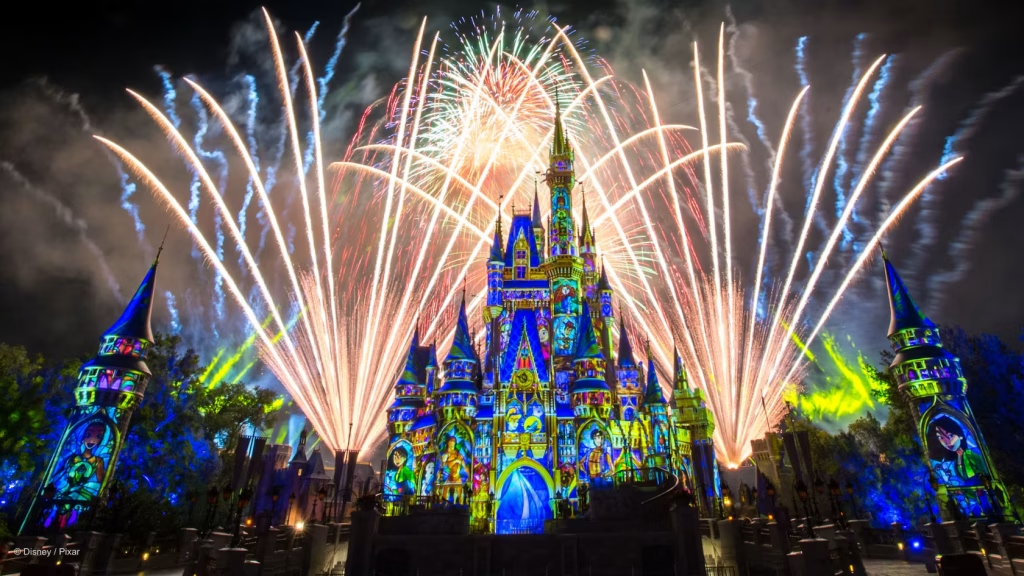
- Visual identity – From the iconic Cinderella Castle to the unmistakable Mickey Mouse ears, Disney’s visual identity is consistent across all of its parks, films, and merchandise. This consistency means audiences can spot Disney from a mile away.
- Brand messaging – Disney’s marketing communication remains true to its family-friendly, magical image. Whether it’s promoting new films, Disney parks, or merchandise, the messaging always aligns with the brand’s values of wonder, imagination, and joy.
From in-store experiences to merchandise to travel brochures, there’s no mistaking the Disney brand.
4. Different platforms for different audiences
We saw a brief overview of Disney’s target audience and segment breakdowns, but let’s get into more detail. The beauty of Disney is that its audience is so vast – from children and families to older generations. And each segment engages with the brand in different ways.
Think about it. There’s a different Disney product for each generation:
- Disney Channel for kids
- Disneyland for families
- Disney+ for streaming enthusiasts
- Marvel and Star Wars for teenagers and nostalgic adults
- Documentaries for older viewers
- Stage shows for theater-goers
By using different channels to target these distinct groups, Disney makes sure it reaches the widest possible audience. All while making sure its messaging resonates with everyone, regardless of age!
5. Nostalgia
Disney is a master of nostalgia. In fact, it’s probably the most nostalgic brand I can think of. There’s barely anyone alive today who has existed in a world without Disney, and so many of us have fond childhood memories of our favorite Disney movies and Disney characters. And Disney is great at using this to its advantage by appealing to these deep emotional connections.
As we saw earlier, one of the main ways Disney uses nostalgia is by frequently revisiting and reviving its classic films and characters through various formats.
For example:
- Live-action remakes – like The Lion King, Aladdin, or Beauty and the Beast
- Sequels – like Toy Story 4 and Frozen II
- Reboots – like Maleficent and Cruella
These strategies not only re-engage older fans who grew up with the originals, but they also introduce these beloved stories to a new generation, creating a shared experience across age groups.
By producing content that parents and grandparents want to share with their children and grandchildren, Disney creates a powerful cycle of loyalty, embedding Disney in the hearts of new generations and keeping the magic alive. This is organic marketing at its purest!

Source: usatoday.com
Five things travel brands can learn from Disney’s marketing strategy
You’ve seen how Disney keeps its magic alive. But as a travel brand, what key lessons can you take away from the successful Disney marketing strategy?
No matter whether you’re a tour operator, a hotel chain, a flight operator, or a travel agency, here are five key takeaways that can elevate your marketing strategy and help you build lasting connections with your audience.
1. Tell stories that connect with your audience
Like Disney, travel brands can put storytelling at the heart of their marketing. Instead of just selling a destination or service, tell stories about the experiences travelers can have.
You can highlight the excitement, personal growth, or relaxation that comes with visiting a place. Whatever you decide to do, make sure to focus on the emotional journey, not just the physical one.
You can do this by showcasing real travelers’ stories, creating content that sparks nostalgia or excitement, and building compelling narratives around the cultural or historical significance of destinations.
Think about characters too, but in a different way. For example, you could introduce travelers to real people or cultural ambassadors from the destinations.
Locals, guides, or past visitors can all serve as relatable characters. And sharing their personal experiences or perspectives will make the destination feel more personal and inviting to potential travelers.
And don’t forget to incorporate storytelling into your packaging design, too.
2. Innovate and adapt to meet ever-evolving needs
Travel businesses can apply Disney’s marketing strategy of continuous innovation by embracing change, leveraging new technologies, and consistently adapting to evolving customer preferences.
Here’s how:
- Stay ahead of trends – Keep an eye on industry trends, such as sustainable tourism, wellness travel, or remote work vacations, and be the first to offer innovative services that meet these emerging demands.
- Embrace technology – Invest in cutting-edge technology as part of your marketing strategy. That could be virtual reality tours, AI-powered trip planning tools, or personalized digital experiences to engage tech-savvy travelers and improve customer service.
- Adapt to changing consumer behavior – Whether it’s offering flexible booking policies, promoting solo or digital nomad travel, or creating trendy digital content, keeping up with changing consumer behavior will help you stay current and relevant.
3. Create a strong and consistent brand identity
As you’ve seen, Disney is consistent across the board when it comes to branding.
Here’s how travel brands can learn from this Disney marketing strategy and make it work for them:
- Visual identity – Consistency in visuals is key for brand recognition – covering everything from logo design and color schemes to photography style. Make sure your visual identity is cohesive across all platforms, including your website, social media, brochures, and adverts. Your audience should be able to tell right away that they’re looking at your brand.
- Brand messaging – Just like your visuals, make sure your tone of voice and brand message are consistent across all touchpoints, from ads to customer service. Your brand messaging should reflect your values and resonate with your core audience.
4. Meet your audience on different platforms
Travel brands can take a leaf out of Disney’s book by adopting a multi-channel strategy to reach a broad and diverse target audience.
Just like Disney uses specific channels to engage distinct groups, travel brands can tap into various platforms to deliver tailored content that resonates with different types of travelers.
Start by dividing your target audience into different segments, such as families, adventurers, luxury seekers, and older travelers. You can then use different platforms to reach each traveler demographic and tailor your marketing efforts to speak directly to their interests.
For example:
- Post family-friendly travel tips on Facebook
- Share video content for Gen Z travelers on TikTok
- Distribute physical brochures at travel agencies for older travelers
- Leverage LinkedIn for business travel
- Send personalized offers via email to luxury travelers
Supercharge your marketing reviews
Share, review, and approve all your content in one place with Filestage.
5. Use nostalgia to capture your audience’s hearts and minds
Travel brands can harness the power of nostalgia just like Disney by tapping into the emotional connection people have with past travel experiences.
Here are some ideas for how to use nostalgia:
- Share nostalgic customer stories to create a sense of community around past experiences
- Run marketing campaigns celebrating the anniversaries of famous destinations and attractions
- Create engaging content that tells the stories of multi-generational travelers or famous visitors from the past
- Design campaigns using retro visuals and messaging to evoke the charm of past travel eras
- Offer multigenerational experiences that allow parents and grandparents to relive their own childhood trips while creating new memories with younger generations
For more lessons from the world’s biggest brands, discover the secrets behind Nike’s marketing strategy and Pepsi’s marketing strategy.
Final thoughts
I hope you’ve enjoyed learning more about Disney’s marketing strategy and how the brand has kept its magic alive for more than 100 years. For more marketing inspiration for your travel brand, discover the best viral marketing campaigns and learn why they worked.