

TL;DR
Branded content production is about planning, creating, and distributing content that tells authentic stories to engage audiences rather than just push sales. It involves a structured process that helps brands build trust and long-term recognition. Effective branded content connects strategy with creativity, adapts across platforms, and prioritizes audience value over traditional advertising
_________________________________________________________________________________________
Branded content isn’t a nice-to-have anymore. It’s one of the few ways to genuinely connect with your audience. And this connection pays off, generating three times as many leads as traditional ads.
But as with everything, not all branded content is created equal. So in this article, I’m going to show you how to produce quality creative assets that will have your customers hooked.
Before we get into the practical steps, let’s take a quick look at what branded content is and why your business needs it.
What is branded content?
Branded content is created by (or in partnership with) a brand. Instead of pushing products or services, it offers real value for customers with the aim of building connections, trust, and brand loyalty.
Fun fact: while branded content is on the rise for modern brands, it’s not a new one by any means. The concept dates back to the early days of broadcasting, when companies like Procter & Gamble and Colgate produced radio dramas and TV shows to connect with audiences.
Today, branded content is more important than ever, as customers are increasingly desensitized to traditional advertising and will actively filter it out.
Examples of branded content include:
- Documentaries
- Short films
- Podcasts
- Social media series
- Blog articles
- Emails
- Interactive experiences
Supercharge your content reviews
Share, review, and approve all your branded content in one place with Filestage.
What is branded content production?
Branded content campaign production is the strategic process of planning, creating, reviewing, and distributing branded content across multiple platforms.
Consistency is key when it comes to your content campaign strategy. By this, I mean you need to hit both quality and quantity benchmarks if you want to keep people engaged in the long run.
So, it takes a village (aka a dedicated, cross-functional team) to produce quality branded content. Depending on the content type, you could work with:
- Content strategists
- Graphic designers
- Videographers
- Content writers
- SEO specialists
- Project managers
- Legal teams
- Stakeholders
Pulling skills from a variety of specialized marketing minds will help make sure your content is impactful, on brand, and on time.
How branded content differs from traditional advertising
The key differences between branded content and traditional marketing lie both in intent and execution.
Traditional ads are sales-driven. So advertisers pay to grab attention and drive action. In terms of production, traditional ads follow a fixed brief, a single key message, and a defined end format. Messaging and visuals are usually locked early, with approvals happening in set stages and little room for iteration once production begins.
Unlike traditional advertising, branded content is all about engagement. It earns attention in just a few seconds with captivating stories that are genuinely interesting or useful.
Content production tends to start with a broader creative concept and evolves through collaboration and testing. It’s a living, breathing piece, often adapted for multiple channels.
Key elements of effective branded content production
The best content relies on several elements coming together to create a cohesive, authentic story.
Let’s take a look at the four key elements of effective content production:
- Authentic storytelling: This is a big one. You need to be real and credible. Authentic stories resonate because they reflect real values or customer challenges.
- Audience-first approach: Your branded content needs to revolve around audience needs, not sales targets. Make sure you solve a problem, entertains, or sparks curiosity before promoting product placements.
- Cross-platform adaptability: Your content should work across multiple channels, from social media and websites to video platforms and email. Each format will need adjustments of course, but you need to tell a cohesive story across every touchpoint.
- Long-term brand building: This is a marathon, not a sprint. Create with the goal of growing trust and strengthening brand identity through consistent storytelling.
If you’re looking for a masterclass in branded storytelling, there’s really nobody better than Nike and the “Just Do It” campaign.
Why branded content production is important for brands
If you give two hoots about building a loyal, engaged audience, then you should be producing branded content.
Here are a few of the main reasons why content marketing is king:
- It creates genuine audience connection: Branded content lets brands tell stories that resonate emotionally, without relying on intrusive ad formats.
- It supports your long-term marketing goals: While ads drive short-term conversions, branded content can improve brand recall and engagement over time.
- It’s built for multi-channel distribution: A single piece of branded video can be adapted for social, web, and more. Quick content scaling, here we come!
- It improves SEO and web traffic: High-quality, valuable content generates more leads, improves search rankings, and seamlessly brings users into the conversion funnel.
- It fights ad saturation: In a world of ad blockers, brand content gives you a way to capture attention and resonate with audiences who’ve become skilled at dodging traditional advertising.
How to produce effective branded content (step-by-step)
Creating impactful branded content requires more than some pretty graphics. It needs a structured, repeatable process that supports creativity while keeping projects on track.
With that said, here’s a simple six-step strategy that you can start using today.
Step 1: Define your goals and audience
First things first: clarify what success looks like.
Are you trying to build awareness, drive conversions, reach a new audience, build trust, or support a product launch? Settling on clear goals upfront will guide creative decisions and save you from future mess ups.
Your goals and your audience go hand in hand. Take the time to build a clear picture of your viewers. And I don’t just mean at a demographic level.
Focus on understanding:
- Their interests and motivations
- The problems or challenges they’re trying to solve
- The platforms they spend time on
- The type of content they already engage with
The more specific you are here, the more relevant your branded content will feel.
Step 2: Craft a compelling narrative
The concept you choose will shape every creative decision that follows. So take the time to brainstorm some truly great stories.
Think about what could resonate with your audience. This might be:
- A relatable human challenge
- A cultural or industry insight
- A shared ambition or belief
Just resist the urge to forcefully sell a specific product, as most people can smell sales tactics a mile away. Instead, focus on building an emotional connection and a lasting impression.
Tip: Strong branded content video production often follows classic storytelling structures: conflict, emotion, resolution. So this can be a great way to frame your story for maximum entertainment.
Step 3: Choose the right format and channels
Branded content production isn’t a one-format-fits-all kind of thing. For example, branded video content is ideal for emotional storytelling. Articles and podcasts work well for depth and expertise. While social media platforms favor short video content creation.
Choose channels based on where your target audience already spends time. Then adapt the content to fit each platform, while still maintaining a consistent message.

Step 4: Create your content
With your strategy in place, it’s time to bring the big idea to life.
This is where your creative and production teams translate the narrative into real assets. While creativity is key here, structure is just as important.
Start by planning your production clearly:
- Define deliverables and timelines
- Assign ownership across teams
- Align on brand guidelines and messaging
- Confirm technical requirements for each channel
During production, consistency is crucial. Make sure your tone, visuals, and messaging stay aligned with the original story and brand values.
Tip: It’s worth thinking ahead about what you can reuse so you can get a diverse range of assets without extra production work.
Step 5: Review and approve content with Filestage
Going a bit Meta here, but this step is an example of how to tie your product into branded content. It’s also a shortcut for busy marketers who want to speed up their content creation workflow.
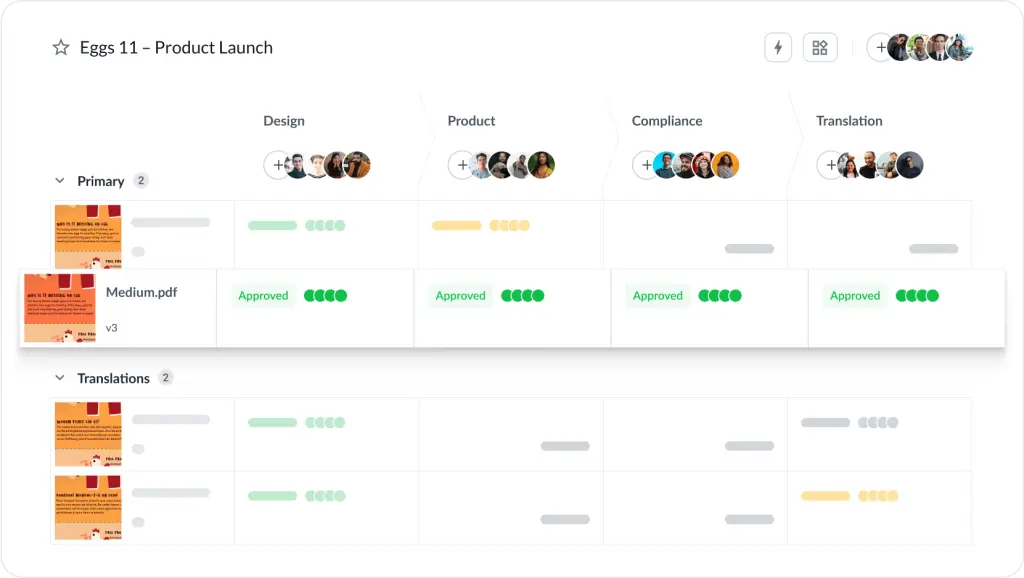
When you’re working with multiple stakeholders and even more assets, feedback can quickly get scattered and slow things down. Filestage simplifies the review and approval process by centralizing everything in one place.
With Filestage, you can:
- Invite multiple people to collaborate in reviewer groups (no individual accounts needed)
- Leave clear, time-stamped feedback directly on branded content videos, graphics, and more
- Compare versions side by side
- Track approval status in real time
This makes sure feedback is clear, structured, and actionable. So your creatives moves faster while maintaining quality and compliance.
Supercharge your content reviews
Share, review, and approve all your branded content in one place with Filestage.
Step 6: Distribute and track your content
Once approved, you’re ready to publish your digital content.
Tailor captions, headlines, and formats for each platform. Monitor engagement rates closely during launch to identify early insights and opportunities for optimization.
Three great examples of branded content
1. Zelle: The Science Behind Scams

Digital payment app, Zelle, partnered with Vox to make a great example of brand video production.
A dedicated webpage featured video episodes and quizzes designed to inform people about scams in a fresh, fun way. Entertaining, educational, and a great example of how to use content marketing to build brand trust.
2. Red Bull Stratos
Red Bull is nothing if not bold. And for one of their most iconic pieces of brand video production, they partnered with parachutist Felix Baumgartner. He managed to break the record for the highest jump while streaming live on social media platforms, from more than 39 kilometers above ground.
This campaign is just one of many branded content adventures from Red Bull, as the brand continues to host videos featuring a range of inspiring people and locations.
3. Hellmann’s TikTok recipe hub
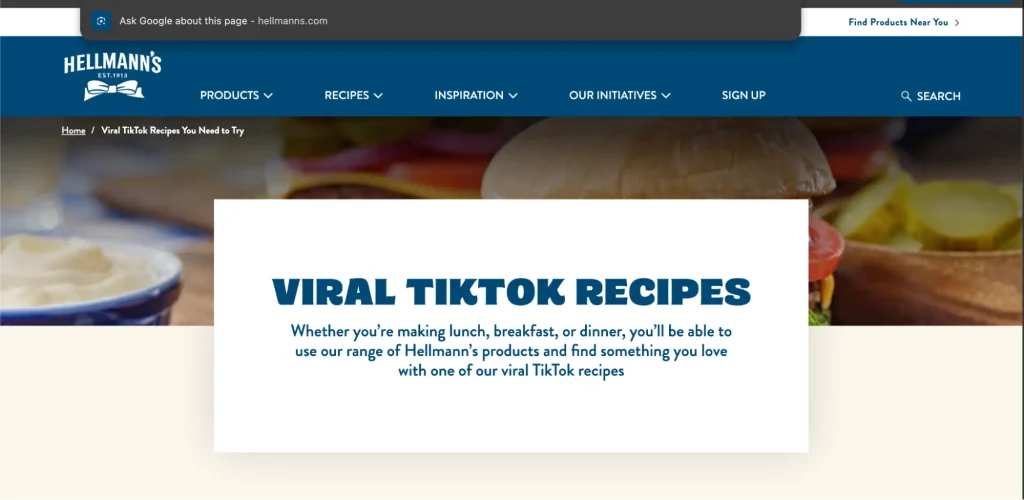
Branded content doesn’t need to break the bank to be effective. And this treat from Hellmann’s proves it.
In 2022, the company developed a dedicated webpage featuring virtual TikTok recipes that featured mayo. A super simple idea that tapped into social trends and offered a reliable resource for their target audience.
The page is also part of Hellmann’s Make Taste, Not Waste initiative, which aims to help consumers reduce the environmental impact of food.
Final thoughts
Branded content is a valuable part of modern marketing strategies. By focusing on authentic storytelling, audience needs, and long-term brand building, you can create content that people actually want to engage with.I hope you found this article helpful. And if you’d like to see how Filestage can help you review and approve all your branded content, start your free trial today.
FAQ
What does a branded content producer do?
A branded content producer plans, manages, and oversees the creation of content that aligns a brand’s message with engaging storytelling. They coordinate strategy, creatives, budgets, and timelines to ensure the final content resonates with the target audience and meets business goals.
What is branded content video production?
Branded content video production is the process of creating videos that tell meaningful, brand-aligned stories rather than delivering direct advertising messages. It focuses on engaging, entertaining, or educating viewers while subtly reinforcing brand values and identity.
How is branded content different from traditional advertising?
Branded content focuses on storytelling and providing value to the audience, rather than directly promoting a product or service. The brand plays a supporting role, aiming to build trust and emotional connection instead of pushing a sales message.
How do you measure the success or ROI of branded content?
Success is typically measured using engagement metrics like views, watch time, shares, and brand lift rather than direct conversions alone. Depending on the goal, brands may also track awareness, sentiment, lead quality, or long-term impact on brand perception.