Having worked in agencies for several years, I’ve seen the good, the bad, and the downright ugly when it comes to agency-client relationships. I’ve learned that the strongest partnerships are built on way, way more than just hitting deadlines. They’re built on trust, mutual respect, and a shared commitment to success.
But great relationships don’t happen overnight. They take time, care, and a whole lot of patience.
In this article I’ll share six tried-and-tested tips for building a successful agency-client relationship. These strategies have helped me create partnerships that last and I’m confident they’ll do the same for you.
Let’s dive in!
1. Set clear expectations
Setting clear expectations from the start is one of the most important ways to build a successful client-agency relationship. When everyone’s on the same page about goals, timelines, and responsibilities, there’s less room for confusion – and fewer surprises along the way.
Define goals from day one
One of the best ways to start a relationship and project on the right foot is to agree on clear goals from the beginning. These goals should be specific and measurable so that it’s easy to know when a project has been a success.
Here are some questions to ask when defining project goals:
- What problem are we trying to solve?
- How will we know if the project is successful?
- What specific metrics or KPIs should we track?
- Are there any hard deadlines we need to meet?
- How does this project align with the client’s business goals on a broader scale?
Getting these goals nailed down early keeps everyone focused and helps avoid tricky conversations later on – which can put a dampener on your partnership.
Create a clear project roadmap
Once you’ve defined goals, set out a roadmap that shows exactly how you’ll get there. This should include major milestones, deadlines, and deliverables.
Consider using a project management tool to keep things visible and easy to follow. And be realistic about deadlines! Clients appreciate honesty far more than unrealistic expectations that eventually end in disappointment.
Check out our pick of the best project management tools for agencies.
Centralize your creative approval workflows
Set up automated workflows to keep standards high across all your teams and content.
Agree on roles and responsibilities
No one likes stepping on toes or chasing the wrong person. Make sure everyone involved, both the client and agency team, knows who’s responsible for what right from the start.
This includes:
- Creative decisions – Who provides feedback and signs off on designs?
- Technical aspects – Who handles technical fixes or integrations?
- Project management – Who makes sure deadlines are met and updates are shared?
When roles are clearly defined, there’s less back-and-forth, less toe-treading, and fewer delays. It’s also easier to solve problems quickly and avoid panic when something urgent crops up, since everyone knows where to direct questions and concerns.
2. Communicate regularly
Good communication is the foundation of a strong client-agency relationship and one of the most important aspects of client management. It builds trust, keeps projects on track, and prevents small issues from developing into major problems.
Regular communication shows the client that you’re present and on top of things, and that they’re a priority. And if there’s one thing I’ve learned, it’s that clients always want to feel like your top priority.
Stay in touch often
Clients appreciate being kept in the loop, even when things are running smoothly and there’s nothing urgent to report. A quick update email or a regular status call can make all the difference. It helps clients feel reassured that progress is being made and gives them the chance to provide thoughts and feedback along the way.
Regular contact also helps you build a meaningful connection with the client. That’s why you should never underestimate the power of regular small talk!
Here are a few ways to stay in touch:
- Weekly status updates – Send a summary of what’s been done, what’s coming next, and any issues
- Scheduled check-ins – Set regular calls or meetings, even if it’s just for a bit of chit-chat and to say “here’s where we are”
- Project dashboards – Use a shared project tracker or dashboard for real-time updates
Keep it clear and simple
Clients hire you because you’re the expert, but that doesn’t mean they want, or need every single technical detail. They’re busy and rely on you to break down complex information into something clear, actionable, and easy to understand.
Avoid using industry jargon or overwhelming reports that leave them feeling lost or inferior. Instead, focus on what matters:
- What’s been achieved
- What’s coming next
- What you need from them to keep the project moving forward
This keeps your updates relevant, helpful, and respectful of their time.
Be transparent about challenges
Let’s face it, things don’t always go to plan. Maybe you’ve hit a technical difficulty or faced an unexpected setback. From my experience, clients appreciate honesty far more than excuses or radio silence.
Remember: they’re human too, and being honest with them about any issues or challenges fosters trust and ultimately strengthens the agency-client relationship.
Here’s how to approach it:
- Be honest but solution-focused – Clearly explain what went wrong and, more importantly, what you’re doing to fix it. For example, “We experienced a delay due to [reason], but here’s what we’re doing to stay on track”.
- Take responsibility – Avoid playing the blame game. Clients respect agencies that own their mistakes and take action.
- Communicate the next steps – Let the client know what happens next, when they can expect updates, and how the issue will be resolved. This keeps them reassured and involved.
Honesty might feel uncomfortable in the moment, but clients are much more likely to stick with you if they know you’ll be upfront – even when things aren’t going perfectly.
Want to know what a day in the life of a 2040 agency will look like? We asked 31 agency creatives to give their predictions. Read the results.
3. Understand your client’s business
The best agency-client relationships are built on a deep understanding of the client’s business. When you know the company and its industry inside out, you can tailor your approach, suggest better solutions, and deliver work that hits the mark every time.
You want to be a proper partner, not just a service provider.
Research, research, research
Before kicking off any project, take time to learn as much as you can about the client: their business, their industry, and their competition.
Deep-dive into their website, read recent news articles, and check out how their competitors are positioning themselves. The more context you have, the better equipped you’ll be to offer valuable, relevant solutions.
Here are some questions to consider:
- What’s their unique selling point (USP)?
- Who is their target audience?
- What challenges are they currently facing in their industry?
- How do they compare to competitors?
Tailor your approach
Once you have a solid understanding of all things client, use that insight to adapt your strategy. Every project should be custom-fit to align with the client’s goals, brand identity, and market position. Steer clear of generic, templated solutions – clients notice when you’ve put in the effort to create something unique, just for them.
Stay curious and keep learning
The learning doesn’t stop after onboarding. Businesses evolve, and so should your understanding of your client’s world. Schedule regular check-ins to discuss what’s new in their industry, attend relevant conferences, and set up Google Alerts for industry news.
The more you know, the more valuable you’ll be as a partner, and the stronger your agency-client relationship will become.
4. Create a robust feedback and approval process
A clear client approval process plays a big part in every good client-agency relationship. That’s because it keeps projects running smoothly, holds everyone accountable, and makes sure both sides stay aligned from start to finish.
It also leads to better final deliverables that fit the client’s vision. Because when the client is involved at every step, there’s less chance of things veering off course.
Make reviews easy and centralized
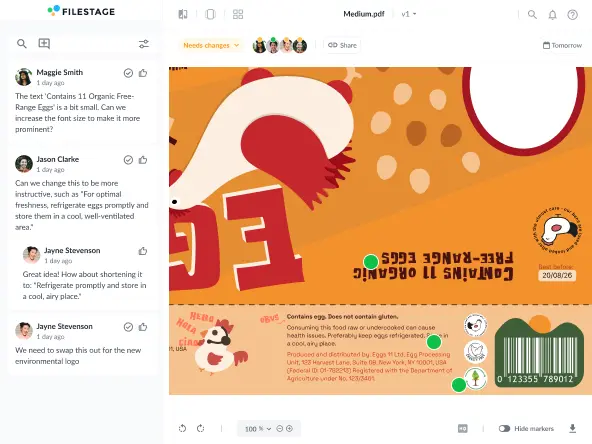
Nothing slows down a project like scattered feedback across multiple channels,like emails, Slack messages, and random phone calls. This can create confusion, cause delays, and leave clients feeling frustrated.
Instead, use a centralized platform like Filestage to collect client feedback in one place. Keeping everything organized with client proofing software makes sure no feedback is missed and shows clients that you take their input seriously. This builds trust and strengthens the client-agency partnership.
But don’t just take our word for it.
Sarah Chen, Medical Director at Publicis Health France, says: “Filestage makes things easy. Our clients really appreciate the ease of use and being able to have a clear overview of their projects.
“As an agency, we strive to create and foster an environment that encourages partnership with clients – rather than a service provider way of working. Filestage helps us to nourish the working relationship we have with our clients.”

Set clear deadlines
Clear deadlines keep projects moving and help everyone stay aligned. When clients know exactly when feedback is needed, they’re more likely to respond on time, keeping approvals on track. Filestage makes this even easier by automatically sending deadline reminders and giving clients a clear overview of what’s due, helping projects stay on schedule, without the need for chasing.
Encourage honest feedback
Make sure your client knows that they can, and should,provide honest feedback. Clear and honest input helps your team make necessary adjustments and deliver outstanding work that supports the client’s goals.
By fostering an honest and transparent relationship where everyone feels comfortable sharing their true thoughts, you’ll stay aligned and reduce revisions. Plus, you’ll help your client achieve the best possible results.
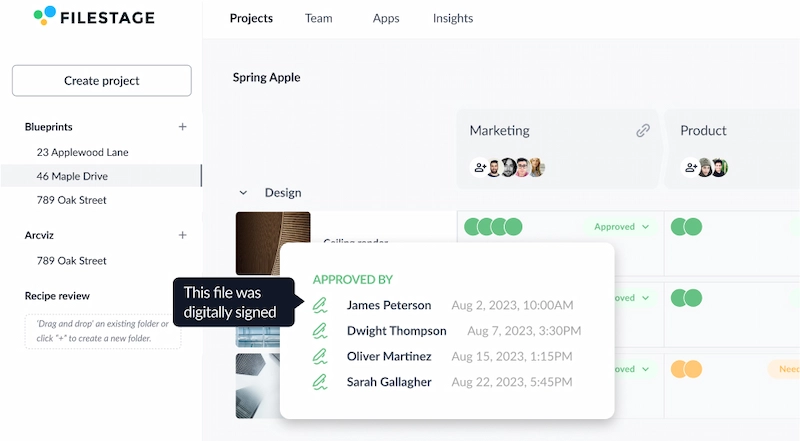
Keep track of approvals
Accountability is another important factor in every great client-agency relationship. Tools like Filestage provide a visible record of approvals, so clients can’t claim they weren’t consulted or didn’t sign off on key stages. This creates a transparent, fair process where decisions are documented, reducing the risk of misunderstandings later on.
Clients feel reassured knowing there’s a clear, trackable system in place and agencies can focus on delivering great work without second-guessing previous approvals.
Centralize your creative approval workflows
Set up automated workflows to keep standards high across all your teams and content.
5. Stay proactive and solution-oriented
Clients value agencies that don’t just react to problems but anticipate them before they arise. Being proactive means thinking ahead, suggesting improvements, and staying flexible when things change. It shows you’re committed to the project’s success and builds trust by proving you’re always looking for ways to deliver better results.
Be a step ahead
Don’t wait for the client to raise concerns.Stay one step ahead by identifying potential challenges early. If you notice a timeline slipping or a resource issue coming up, flag it before it becomes a problem.
Like I’ve said already, clients appreciate being kept in the loop, even if the news isn’t the most positive.
Suggest new ideas
Clients hire agencies for their expertise, so don’t be afraid to pitch fresh ideas even outside the original brief. Whether it’s a new marketing angle, a design tweak, or a process improvement, offering creative suggestions shows you’re invested in their long-term success.
Stay flexible when things change
When you’re working with clients, change is inevitable. Scopes shift, market conditions evolve, and business priorities get reshuffled on the regular. Instead of resisting change, embrace it.
Stay adaptable, adjust plans quickly, and reassure clients that you’re ready to pivot when needed. This flexibility will build trust, strengthen your client-agency relationship, and increase the chances of long-term client retention.
Turn problems into opportunities
Challenges are inevitable in any project, but how you handle them makes all the difference. A missed deadline or unexpected hurdle can be an opportunity to showcase your problem-solving skills. Present clients with thoughtful solutions, and position setbacks as chances to improve or refine your work.
6. Celebrate success together
Taking time to celebrate wins can strengthen your agency-client relationship. Recognizing milestones, sharing positive results, and acknowledging everyone’s contributions creates a sense of partnership and shared success.
And when clients see you’re proud of your shared work, they’re more likely to see your agency as a trusted, long-term partner.
Share key milestones and results
Don’t wait until the end of a project to highlight success. Instead, celebrate key milestones as they happen. That might be hitting an important deadline, launching a campaign, or seeing early results roll in. Regularly sharing positive updates keeps clients excited and engaged – and they can see your value too!
Plan a project wrap-up
Once a project is complete, hold a final review session to reflect on what went well. Share key achievements, highlight measurable results, and discuss what could be improved next time. This wrap-up reinforces your agency’s value while showing your commitment to continuous improvement.
Give credit where it’s due
Great results are a team effort, so be sure to acknowledge contributions on both sides. A simple “thank you” email, a public shoutout on social media, or a case study on your website can go a long way toward building a positive agency-client relationship.
Final thoughts
Whether you work for a marketing agency, an advertising agency, a design agency, or something more niche, I hope this article has given you valuable insights to build a successful relationship with your clients. With some care and attention, you can build relationships with a foundation of trust, mutual respect, and a shared commitment to success.
If you’d like to experience how Filestage can simplify client reviews and approvals while strengthening your agency-client relationships, start a free trial today →