

The travel and tourism industry is a competitive one, especially in the age of digital. So travel companies have to work hard to stand out from the crowd.
And with travelers spending over five hours consuming online content before booking and 80% preferring to book trips entirely online, a robust and comprehensive digital marketing strategy is essential.
Digital marketing – which covers everything from social media to content marketing to SEO – is an important tool for travel businesses. It helps them to reach their target audience online, increase brand awareness, and ultimately drive more sales.
But how does digital marketing for travel industry look in 2025?
With that in mind, here are 11 effective digital travel marketing ideas to help your tourism business thrive.
1. Optimize your website for Google

Google is the go-to starting point for many travelers looking to research and book their next trip. So your first port of call is making sure your website is optimized for search engines.
Search engine optimization (SEO) involves optimizing your website’s content, structure, and performance to increase its chances of appearing in search engine results pages. That way, your site is more likely to appear in search results when potential customers search for relevant keywords like “cheap flights to Australia”, “Caribbean vacations”, or “last-minute travel deals”.
When travelers see your page near the top of the list, they’re more likely to click through to your website and explore what you have to offer. This boosts your website traffic and gives you the chance to convert them into paying customers.
2. Prioritize local SEO
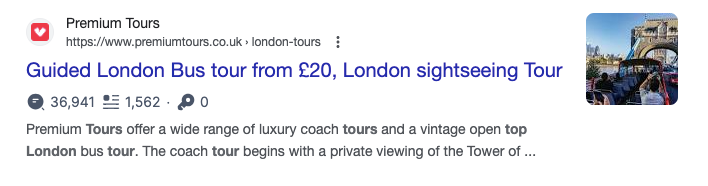
On a similar note, local SEO is an important digital marketing strategy for travel businesses that operate in specific locations. For example, if you’re a hotel, a tour provider, or a travel agency, you want to target relevant keywords like “hotels near me”, “best tours in London”, or “things to do in Barcelona”. That way, you increase your chances of appearing in search results when potential customers are actively searching for services in your area.
Local SEO involves optimizing your Google Business Profile, ensuring your name, address, and phone number are up-to-date and consistent across all platforms, and adding location-specific pages to your website. Reviews also play a big part in local SEO – as good reviews not only help your website to rank, they also help to build trust with potential customers.
Supercharge your marketing reviews
Share, review, and approve all your content in one place with Filestage.
3. Create useful blog content

Blog content is a game-changer for reaching potential travelers in the planning stage of their next adventure. We’ve already seen that travelers typically spend over five hours consuming online content before booking, so this is your golden opportunity to provide them with inspirational content.
Ideas for travel-related blog posts include:
- Travel tips
- Destination guides
- Seasonal travel ideas
- Trend-led content
- Customer stories
Think of it like an online travel brochure! Speaking of brochures, they’re an often underused tool in a marketer’s arsenal. Check out our guide on how to create a travel brochure for tips on how to leverage them for your business.
Basically anything related to your brand or offering that will inspire, inform, or entertain your audience. Include high-quality images to boost the visual appeal of your blog posts and transport the reader to the destination. And end every blog post with a clear call to action (CTA) like “Book now” to encourage readers to take action right away.
Make sure your posts are optimized for search to attract organic traffic, and share them on social media so that your content reaches far and wide.
4. Bring travel to life with video
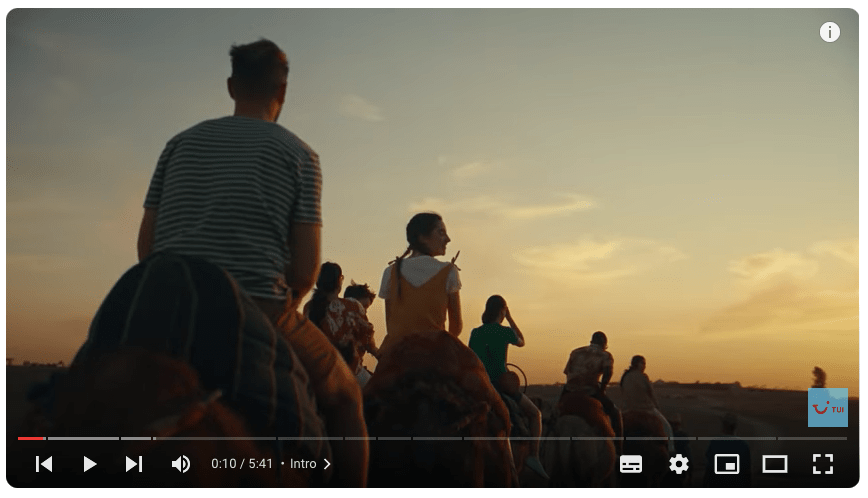
If a picture is worth a thousand words, then a video is worth a million – especially in the travel and tourism industry. That’s because videos have even greater storytelling potential, bringing destinations to life and giving your audience a real sense of what it would be like to embark on that particular adventure.
Your videos could focus on anything from destination highlights and itineraries to travel hacks and behind-the-scenes content. User-generated content comes in handy here too – more on that later.
YouTube and social media platforms like Instagram and TikTok are ideal for sharing your videos. And speaking of TikTok …
5. Jump on TikTok trends

Since 2021, TikTok has seen a whopping 410% increase in views of travel content, and 71% of the platform’s European users say they’re likely to book a holiday based on recommendations they’ve seen on the platform.
In the words of TikTok itself: “Our community craves content that provokes wanderlust by highlighting unique destinations and experiences, recommendations and reviews.”
It’s a no-brainer then that travel companies should prioritize TikTok as part of their digital marketing efforts, jumping on key trends throughout the year to appeal to the platform’s massive audience (which reached 1.92 billion users in 2023, in case you were wondering).
6. Harness the power of social media
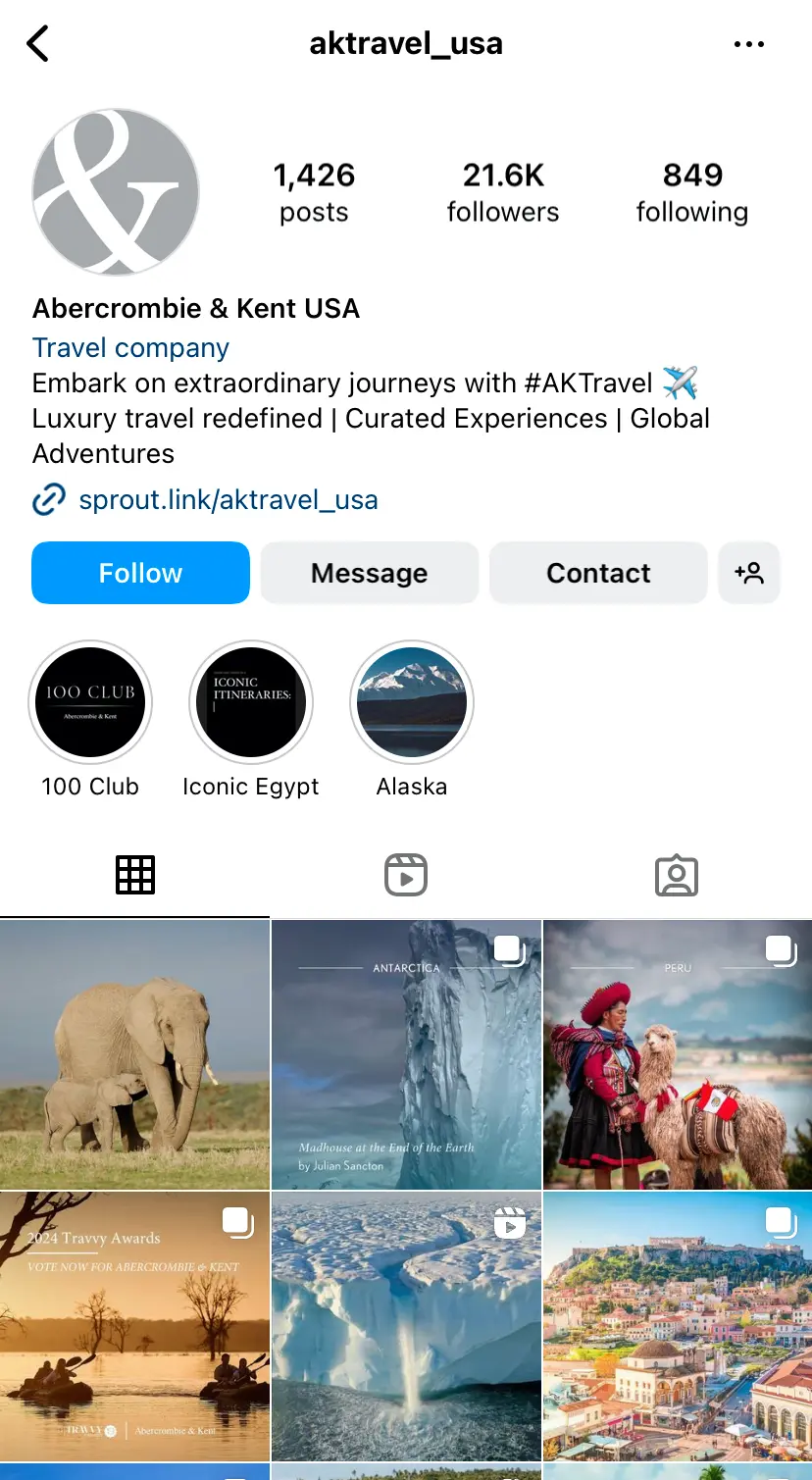
As well as TikTok, harness the power of other social media platforms like Instagram, Facebook, Twitter, and even LinkedIn to connect with your audience. Each platform offers unique opportunities to engage with different audience segments and showcase your brand.
Understanding and working with social media algorithms is key here – consistent posting and regular interactions with followers can help boost your visibility and get your content in front of a broader audience.
In terms of the type of content you post, mix it up with eye-catching images, captivating videos, engaging polls, and other creative formats!
7. Buddy up with influencers

Influencer marketing is another effective digital marketing strategy for businesses in the travel and tourism industry. One study found that 84 percent of people turn to travel influencers for recommendations on trips, so there’s no denying the importance of influencer collaborations!
Influencers typically have large social media followings. And by partnering with the right influencers, travel companies can get their products and services in front of a wider audience. This usually involves paying influencers to promote your brand, create sponsored content, and share their travel experiences. The idea is that they will influence others to take the same trip, book on to the same tour, and generally view your brand in a positive light.
8. Implement user-generated content (UGC) campaigns
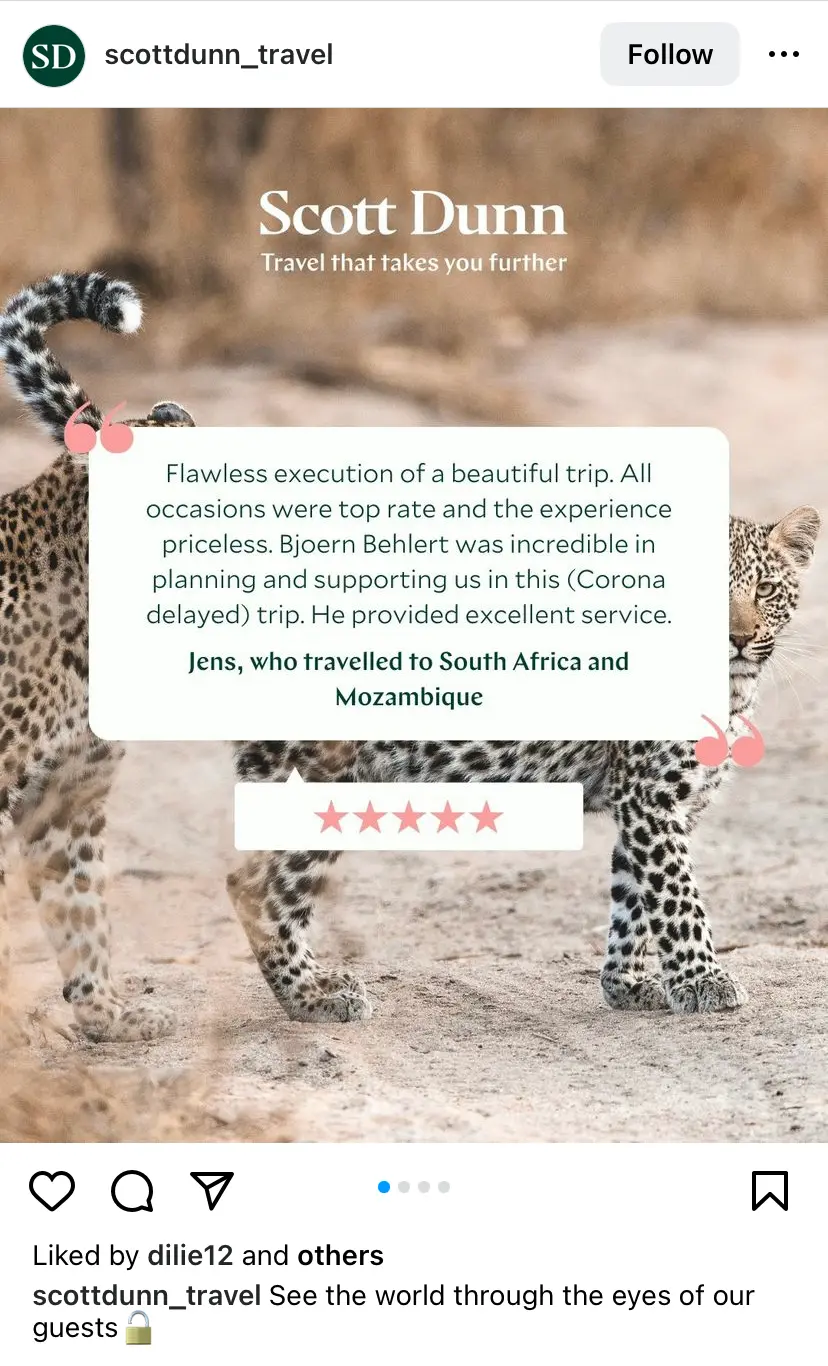
They say the best things in life are free. And in the digital world, user-generated content is a perfect example! UGC includes things like photos and videos taken by existing customers, as well as reviews and testimonials from those who have had positive experiences with your services.
This type of content is incredibly valuable because it’s authentic and builds trust with potential customers. Encouraging your satisfied clients to share their experiences on social media not only boosts your brand’s credibility but also creates a sense of community around your tourism business. And on top of that it can help to drive more bookings – without the price tag associated with traditional marketing and advertising.
Supercharge your marketing reviews
Share, review, and approve all your content in one place with Filestage.
9. Create personalized ad experiences

Personalized campaigns help you to connect with your target audience on a deeper level. By tailoring your travel ads to match the interests, behavior, and preferences of individual users, you create a more relevant and engaging experience.
For example, if you send targeted ads for a tropical getaway to someone who’s recently been browsing beach vacations, you’re far more likely to catch their eye.
Targeted campaigns containing personalized messages not only increase the chances of conversion but also make your audience feel understood and valued. It’s a smart way to boost your brand’s connection with potential customers while maximizing your marketing efforts.
10. Nurture leads with email marketing
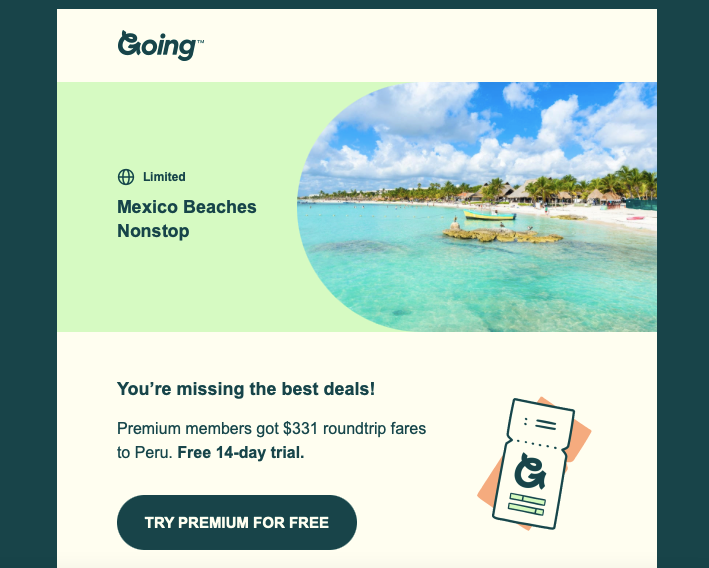
While closely related to personalized ads, email marketing deserves its own spotlight. Personalized email marketing is another effective way to connect with your audience, sending relevant content to specific audience segments based on preferences, behavior, and past purchases.
Offering personalized travel recommendations, deals, and messaging helps to build a personal connection with your audience. And if you offer online bookings, sending follow-up emails to customers who abandon their cart can give them the encouragement they need to complete their booking.
11. Make data-informed decisions
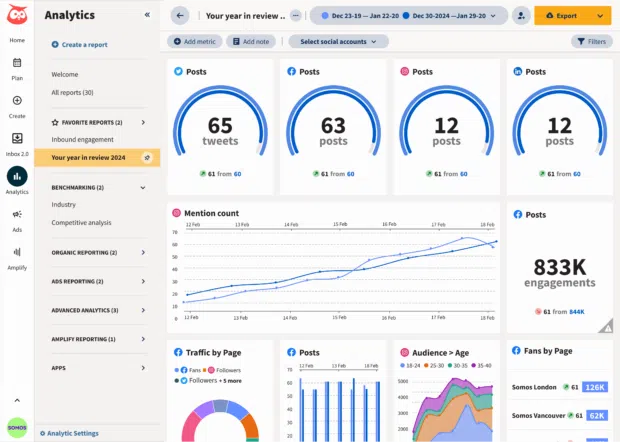
Making data-informed decisions is crucial for the success of your digital marketing campaigns. By analyzing data – whether that’s website analytics, customer engagement data on social media, or the click-through rates of email marketing campaigns – you gain insights into what’s working, what’s not, and how you can improve.
These valuable insights can guide your digital marketing strategies going forward, helping you to get the most out of every tactic, refine your efforts, and achieve your marketing goals!
Review your digital marketing content in Filestage
Feedback and approval are crucial parts of the digital marketing process. Since digital content creation is often a collaborative effort, an efficient approval process is key to ensuring everything comes together smoothly.
One of the best ways to optimize the review process, especially when you’ve got lots of stakeholders in the mix, is by using Filestage’s online proofing software. It’ll help you collect and organize everyone’s feedback, saving you time and making it easier to improve your content.
Here are a few ways Filestage makes it easy to review digital marketing content:
- Set up workflows to handle all assets and stakeholders in one place, ensuring a smooth sign-off process
- Centralize feedback to make sure everyone has full context
- Upload and share unlimited file types, including videos, photos, designs, documents, websites, and audio files
- Share files with as many team members and stakeholders as needed
- Use point-and-click comments and annotations for fast, accurate feedback
- Keep your project on track by setting clear deadlines
- Approve files with one click to complete projects quickly
- Track approvals and change requests at a glance from your dashboard
- Keep a record of every version and comment to ensure all feedback is addressed
- Log in from any device via your browser for easy access and collaboration
Final thoughts
And there you have it – 11 digital marketing ideas to help your travel business thrive! With the right digital marketing strategy and the right digital marketing apps, you’ll be well-equipped to reach your target audience, boost engagement, and drive more bookings.
If you’d like to see for yourself how Filestage can help with the review and approval of your digital marketing content, start your free trial today.