

White papers have become a staple in many B2B content marketing strategies. Their purpose? To position your business as a thought leader in your industry, educate readers on a specific topic, and generate leads.
To help you get started with your own project, I’ve rounded up seven standout white paper examples to show you what works and why. Once you’ve seen what a good white paper looks like in practice, I’ll walk you through how to create one yourself, from choosing the right topic to getting stakeholder sign-off.
Let’s dive in!
1. This eye-catching white paper from YouGov

This white paper from YouGov is a great example of how to make a data-heavy report feel accessible, enjoyable, and useful from start to finish. The report dives into the global gaming and esports landscape, revealing what makes players tick across different markets. And it uses bold visuals and razor-sharp analysis to tell its story.
The layout is slick, the tone is confident, and the copy is concise and punchy, so it doesn’t overwhelm the reader. It’s packed with charts of all shapes and sizes, making the data genuinely engaging. And the clean, spacious design (with plenty of white space) makes it a pleasure to explore.
Supercharge your marketing reviews
Share, review, and approve all your content in one place with Filestage.
2. This polished white paper from DP World

This policy white paper example from DP World shows how B2B brands can tackle complex topics with clarity and style. The content is broken into easy-to-skim sections, structured methodically so that it moves from problem to analysis to action.
The tone is authoritative but accessible, and it’s all brought to life with high-quality imagery, well-designed charts, and real-world case studies. There’s even a digital version packed with interactive elements for a more immersive read!
3. This compelling white paper from IBM

IBM’s white paper takes a complex, fast-moving topic and makes it feel clear, structured, and surprisingly engaging. It charts how cyber threats are evolving – and what organizations can do to stay ahead – with rich visuals, smart insights, and a tone that’s packed with urgency.
The layout is clean and minimalist, with thoughtful paragraphing and spacing. I love the clear, pared-back design throughout the entire white paper because it suits its topic and target audience. Whether you’re in tech, operations, or leadership, this is a great example of how to communicate risk without overwhelming your audience.
4. This strategic white paper from Mastercard
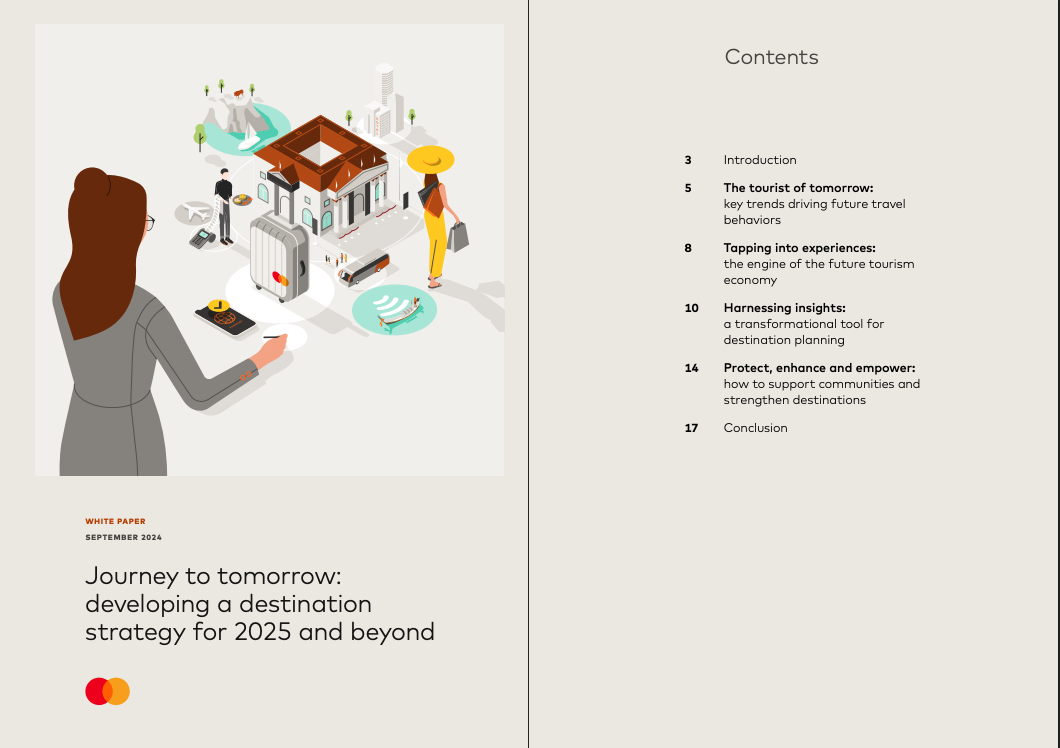
This well-structured white paper blends global travel data with future-focused thinking to show how destinations can evolve in line with changing tourist expectations. It’s packed with visual stats on sustainability, digital-first experiences, and a growing appetite for meaningful travel.
It delivers visually, too. I love the vibrant photography (as you’d expect from a travel-related white paper), pulled-out stats, and well-placed quotes that make it easy to skim and digest. I also like the addition of an expert interview for extra credibility, and how the clear layout guides readers from trends to takeaways.
5. This minimalist white paper from Google Cloud
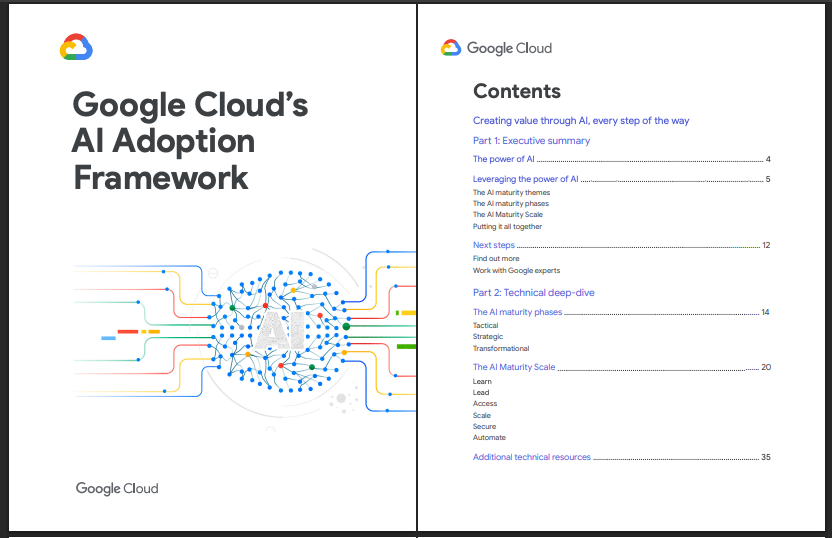
When you’re looking at white paper examples from Google, you’d expect nothing less than clean design, clear thinking, and a sharp focus on the user. And in classic Google fashion, this piece delivers on all fronts.
The layout is smart and deliberate, guiding readers through each phase of AI adoption with ease. Diagrams, tables, and highlighted info boxes break up the content to make technical ideas feel far more approachable. Combined with calm, confident writing, this is a great example of how white papers can strike the balance between technical depth and accessibility.
6. This practical white paper from TrueCommerce

This white paper explains the challenges of modern food and beverage supply chains and lays out a clear roadmap for tackling them with digital tools. It is more text-heavy than other examples on this list, but the clean layout keeps it readable.
Sure, the design isn’t particularly standout, but the content more than makes up for it, with sharp messaging, practical advice, and a logical structure that’s easy to follow. A solid example if you’re after substance over style!
7. This trend-focused white paper from Cargill
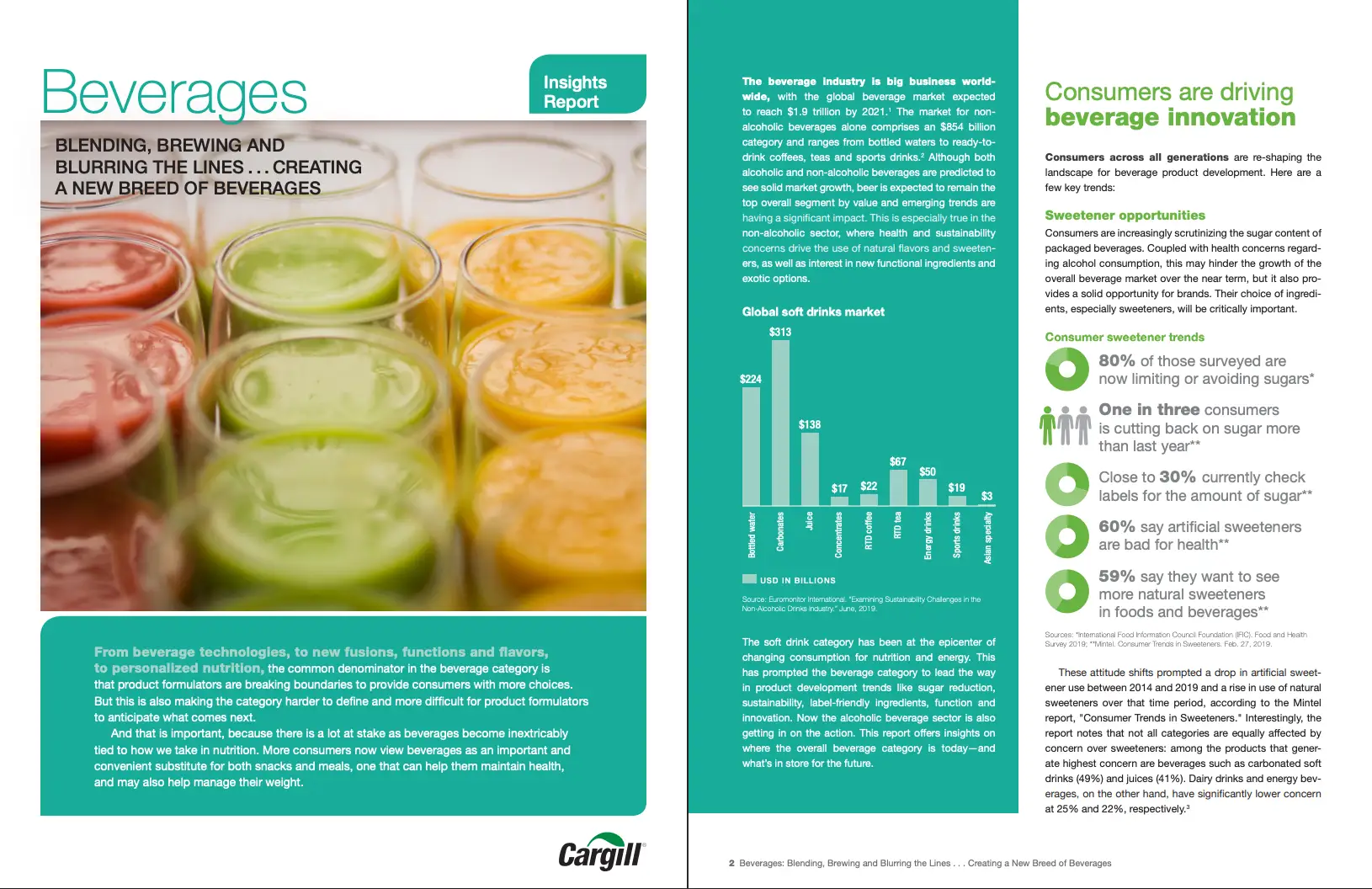
This white paper explores how consumer expectations around health, sustainability, and transparency are reshaping the beverage industry. And what brands can do to stay ahead. It’s packed with trend insights, it’s clearly written, and it’s thoughtfully designed.
I like how each section is broken up by color, with consistent charts and diagrams used throughout to turn big themes into digestible takeaways. The tone is commercial but grounded, making it ideal for R&D, brand, or innovation teams looking for their next big idea.
How to create a white paper in eight steps
Now that you have a better idea of what an effective white paper looks like, let’s explore how to create your own. Here’s how to create a white paper in eight simple steps.
1. Understand your audience
The first step is to think about who you’re creating your white paper for. Are they seasoned professionals or industry newcomers? Decision-makers or day-to-day users? Technical or commercial?
Understanding your audience will help you shape everything from the questions you answer to the tone you use. This makes sure you create a white paper that delivers genuinely useful insights to the right prospects.
2. Pick a topic your audience cares about
Once you know who you’re writing for, it’s time to choose a topic that speaks directly to their needs. A good white paper doesn’t try to cover everything. It zooms in on a specific problem, opportunity, or insight that your audience actually cares about.
Conduct market research and think about the questions your customers are asking. What challenges are they trying to solve? Where are the gaps in industry knowledge? Your white paper is your chance to guide them through that topic with clarity and expertise.
3. Do your research
Once you’ve nailed your topic, it’s time to carry out extensive research and build up your expertise. That means pulling together stats, quotes, case studies, and examples that support your message and add weight to your ideas.
Don’t just rely on what you already know. Add to your internal knowledge by looking for third-party data, speaking to external experts, and checking out what your competitors are saying. The more credible and well-rounded your research, the more your white paper will stand out as a trusted resource.
4. Map out a clear structure
Before you start writing, take time to map out a clear structure for all the information you’ve gathered. There should be a logical flow to your ideas – not only in terms of layout, but also in terms of telling a clear and coherent story from start to finish.
Think about the journey you want your reader to go on. Where are they starting? What do they need to understand along the way? And what should they take away at the end?
A typical white paper format looks something like this:
- Title and subtitle – to grab attention and set expectations
- Executive summary – a quick overview of what’s inside
- Introduction – to set the scene and explain why this topic matters
- Main body – your insights, solution, or argument
- Conclusion and CTA – to summarize your key points and guide the reader toward a clear next step
5. Write it clearly
Once you’ve decided on a structure, you can start to populate each section with copy. The key here is clarity. Your white paper doesn’t need to sound overly academic or packed with jargon to be taken seriously.
In fact, the more clearly you explain things, the more authoritative you’ll come across.
Keep your tone informative, confident, and easy to understand. And don’t be afraid to let your brand’s voice come through.
Use plain language, short paragraphs, and helpful subheadings to keep things skimmable. Bullet points are always handy, too. Integrate data and examples throughout, highlighting any key points you’d like your design team to visualise later.
Top tip: Try writing your first draft like a blog post, then add in extra formality once you’re happy with the general story. You may also find it helpful to start with the main body and return to the intro further down the line.
6. Design it thoughtfully
Once the words are in, it’s time to bring your white paper to life with a strong layout and design. As you’ve seen from the examples above, great design makes content significantly easier to digest and helps readers to stay engaged from start to finish.
The best white papers tend to feel calm, clear, and easy to navigate on both mobile and desktop.
Here are a few design best practices to keep in mind:
- Create an eye-catching cover to make a strong first impression
- Use brand colors and fonts to reinforce your brand’s visual identity
- Stick to a clear visual hierarchy with consistent headings and subheadings
- Leave plenty of white space to avoid overwhelming readers
- Break up long sections with data visualizations, diagrams, and supporting imagery
- Highlight key insights using pull quotes and callout boxes
- Make sure it works well as a PDF (not just in print)
If you need to speed things up, try using a white paper template as a starting point, then customize it with your own colors, brand assets, and charts to make it feel unique to your brand.
7. Get feedback from relevant stakeholders
Once your first draft is ready, it’s time to gather feedback. This step is essential for catching errors, refining your message, and making sure everything flows smoothly from start to finish.
It also gives your team and stakeholders the chance to weigh in, so the final white paper is as strong and accurate as it can possibly be.
The downside? Reviewing a white paper can be time-consuming and tricky. Long email chains. Conflicting feedback. Multiple versions flying around. Sound familiar?
That’s where Filestage comes in.
Filestage is a review and approval tool that makes it easy to share, review, and approve your white paper – all in one place.
Here’s how Filestage helps streamline your creative review process:
- Centralized feedback – collect comments from all stakeholders in one place
- Real-time collaboration – review copy and designs with your team and stakeholders in real time, so that everyone’s aligned and nothing gets missed
- Annotation tools – highlight text and draw directly on top of the design to make feedback crystal clear
- Version control – easily track changes and compare versions
- One-click approval – mark the final draft as approved when it’s good to go

How to review a white paper with Filestage:
- Sign up for Filestage for free
- Create a project folder and upload your white paper
- Invite reviewers or send them a link to the project
- Let collaborators add feedback and suggestions in the comments
- Upload new versions, and mark approved when ready
Supercharge your marketing reviews
Share, review, and approve all your content in one place with Filestage.
8. Distribute and promote your white paper
You’ve put time and energy into creating your white paper. Now it’s time to make sure people actually read it. Think about where your audience and potential customers spend time and how they consume content. Then use that valuable insight to build a distribution plan that gets your white paper in front of the right eyes.
Some great ways to share it include:
- Landing pages – create a dedicated landing page with a strong headline and short summary to drive downloads and help your white paper get found by search engines
- Email marketing – share it with your mailing list or build a nurture sequence around it
- Social media – pull out key stats, quotes, or insights and turn them into engaging social posts
- Blog content – repurpose sections of your white paper into shorter articles that link back to the full piece
- Sales support – give your sales team a valuable resource to support conversations and pitches
Next steps
I hope this selection of interesting white papers has given you the inspiration you need for your next content marketing project. And that this step-by-step guide has pointed you in the right direction. With the right topic, a clear structure, and thoughtful design, your next white paper could be your most impactful piece of content yet!
If you’d like to see how Filestage can help you review all your marketing collateral (white papers included), start your free trial today.