TL;DR
Creative burnout often isn’t about a lack of talent, motivation, or creative juices. It’s about review cycles that never seem to end. When feedback arrives late, contradicts itself, or lives across ten different tools, creative energy drains fast. You spend more time managing comments than creating new ideas, and burnout creeps in quietly.
This blog post shows how to avoid creative burnout by fixing the review process itself. You’ll learn six practical levers, from better briefs to clearer feedback and protected focus time, that help creatives, designers, and marketers stay productive without sacrificing mental health or creative desire.
Creative burnout doesn’t start with overwork
If you’ve ever opened a feedback thread and felt your creative mojo slowly drain away, this blog is for you. Even those with balanced schedules can experience burnout, not just people who are overworked.
The thing is, creative burnout isn’t something that happens overnight. Instead, it appears little by little. It starts with quiet dread and a light disdain for your work, which then leads to a general lack of motivation. So, when someone asks for “one small tweak” for the fifth time, it’s often the tipping point.
For creatives in graphic design, content creation, writing, or any creative profession, review cycles can be the most stressful part of the job. Not the creative work itself. The endless back and forth around it. Self-doubt is a common symptom of creative burnout, making creatives feel they’re not ‘good enough.’
In this article, I focus on how to avoid burnout as a creative by redesigning the review process to support creativity rather than drain it. No meditation sessions required.
What is creative burnout in review cycles?
Creative burnout is a form of sustained emotional and mental exhaustion where your capacity to generate ideas, care about quality, and recover between projects drops. Burnout in review cycles is closely tied to how the creative review process is set up and managed. It’s often triggered by chaotic, unclear, or never-ending feedback loops rather than by making art or creating content itself.
How creative burnout shows up during reviews
Burnout in review cycles has a very specific pattern. You might dread opening feedback emails or Slack messages. You notice that you’re revising the same things again and again instead of producing new ideas. Creative block becomes more common, and self doubt sneaks in. Even positive comments can feel heavy when you’re already feeling burnt.
Some early signs include:
- Procrastinating on revisions because you expect another round anyway
- Losing creative energy halfway through projects
- Feeling resentful toward stakeholders
- Feeling persistent fatigue that makes it hard to engage in creative work
- Experiencing frustration and irritability, sometimes snapping at others for no reason
Over time, creative exhaustion can bleed into your personal life, affect your self-esteem, and make even fun projects feel like daily tasks on an endless to-do list.
Why review cycles are a special risk factor
Review cycles are stressful because creative work is constantly judged and re-judged. Feedback often arrives late, vague, or contradictory. Creatives are left to reconcile chaos they didn’t create, while still being responsible for quality and deadlines.
Unlike other stressful times in a creative business, review cycles combine pressure, uncertainty, and lack of control. That mix is the perfect storm for burnout, especially when it repeats project after project. Review cycles can also spill over into personal and free time, making it harder for creatives to recharge.
Make your review process stress-free
Share content, get feedback, and manage approvals all in one place – with Filestage.
Why fixing burnout inside the review process matters
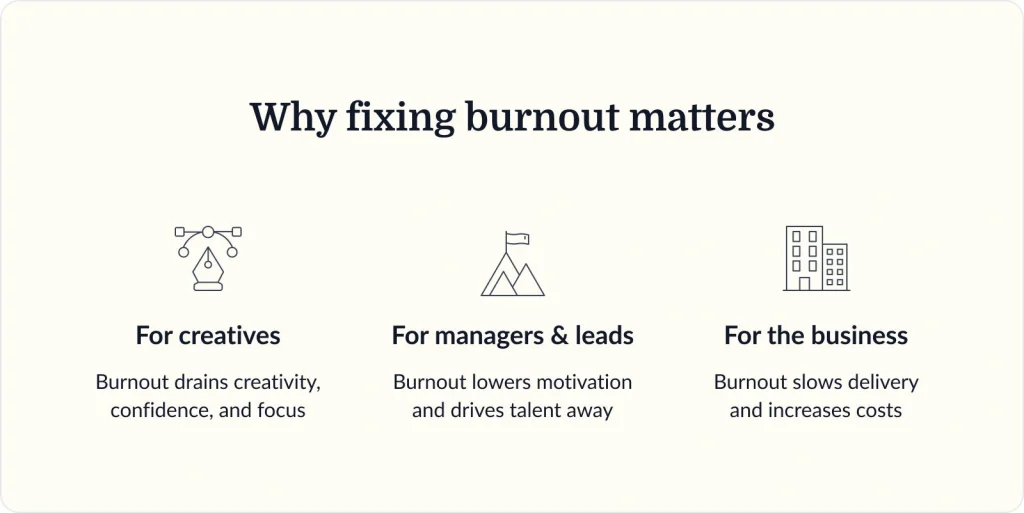
Creative burnout inside review cycles is a process problem with real consequences for people, teams, and money. The goal of fixing the review process is to prevent burnout and create a healthier, more sustainable work environment.
Acknowledging burnout is the first step to managing it effectively.
Why it matters for creatives
Chronic burnout flattens creative expression, especially for a creative person. I know I’ve experienced it, and I’m guessing you have too. When you’re constantly feeling burnt out, you stop taking risks. New ideas dry up. Creative juices stop flowing. You second-guess decisions and lose confidence in your creative practice.
Fatigue is a common experience during creative burnout, making it hard for creative people to engage in their work.
Burnout also slows work, leading to more errors and longer revision cycles. What once took hours now takes days because mental energy is already depleted.
Why it matters for managers and leads
Burned-out creatives don’t quit loudly. Work becomes safe and repetitive. Motivation drops. Over time, talented designers, writers, and professional artists leave altogether, taking institutional knowledge with them.
When these creatives leave, organizations also lose valuable connections with other artists, weakening the creative community and collaboration within the team.
Replacing them costs more money and time than fixing the system that caused the problem.
Why it matters for the business
When review cycles stall, creative content production slows down. This delays launches and inflates costs, which, in turn, hurts profitability. Brand consistency suffers when people rush work just to get it approved. Stress spreads across teams, making creative collaboration harder and trust thinner.
Establishing a regular review schedule helps maintain productivity and prevents last-minute emergencies, supporting better business outcomes.
If you want to avoid burnout, leadership has to treat review cycles as a core operational issue, not a personal resilience problem.
Six core levers to avoid creative burnout during review cycles
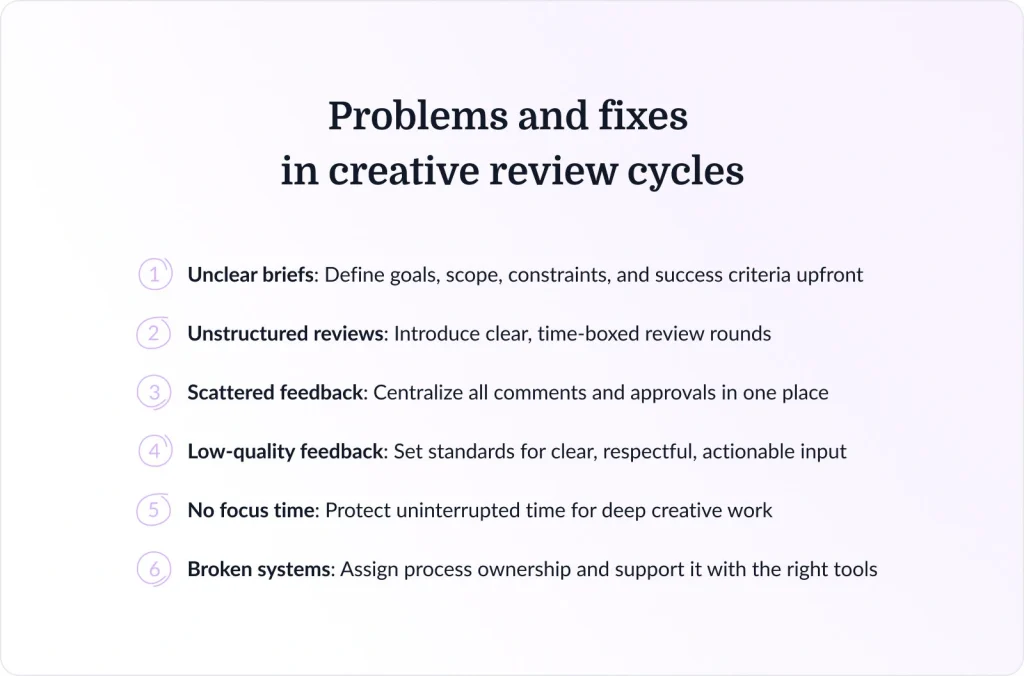
1. Start with a real brief
The problem
Vague briefs like “make it pop” or “do something fresh” create subjective feedback loops that never close. Without clear direction, every reviewer will interpret it differently.
Practices that help
Start with a strong brief that defines goals, audience, deliverables, constraints, and success criteria. This makes sure everyone knows what’s expected.
Writing expectations down early using a creative asset feedback and approval template gives everyone a reference point before opinions start to diverge. Finally, one decision-maker should sign off before work begins.
How this prevents creative burnout
Clear briefs reduce arbitrary rewrites and protect creative energy. When feedback contradicts itself, creatives can reference the agreed direction instead of internalizing blame.
2. Design intentional review rounds
The problem
When feedback arrives at random times from random people, the creative approval phase becomes a moving target. From my experience, this usually happens when there’s no clear structure in review rounds.
Practices that help
Timebox review rounds and separate internal, client, and compliance stages. This structure works best when review steps are part of a wider project workflow management approach rather than improvised per project.
How this prevents creative burnout
Creators know when feedback is coming and when it stops. That predictability lowers stress, supports time management skills, and allows for recovery between rounds.

3. Centralize feedback so creators aren’t playing inbox detective
The problem
Feedback scattered across email, chat, decks, screenshots, and comments on exported files creates massive cognitive load. In turn, creators waste time hunting for resources than being creative.
Practices that help
Using proper file proofing keeps every comment attached to the correct version. For external stakeholders, a dedicated client feedback tool prevents endless email threads.
How this prevents creative burnout
Centralization reduces context switching and the fear of missing something. Creators work through a single, prioritised list instead of juggling six conversations.
Make your review process stress-free
Share content, get feedback, and manage approvals all in one place – with Filestage.
4. Make feedback actionable and kind
The problem
Vague, contradictory, or harsh feedback drains creativity and confidence. “I don’t like it” isn’t useful. Neither is passive aggression.
Practices that help
Encourage specific feedback that explains what, why, and which constraint it relates to. Separate personal preference from strategic needs. Normalize praise for what’s working, not just criticism.
Using an online proofing tool like Filestage helps here because reviewers can annotate creative assets directly for more contextual feedback.

How this prevents creative burnout
Clear feedback means fewer revisions and less rumination. Creators feel respected as partners, which supports mental health during stressful times.
5. Protect focus time for creatives
The problem
Creators spend entire days reacting to feedback and never get uninterrupted time to create. Then, before they know it, they have to dive into the next creative project before they’ve had time to decompress or recharge their creative batteries.
Practices that help
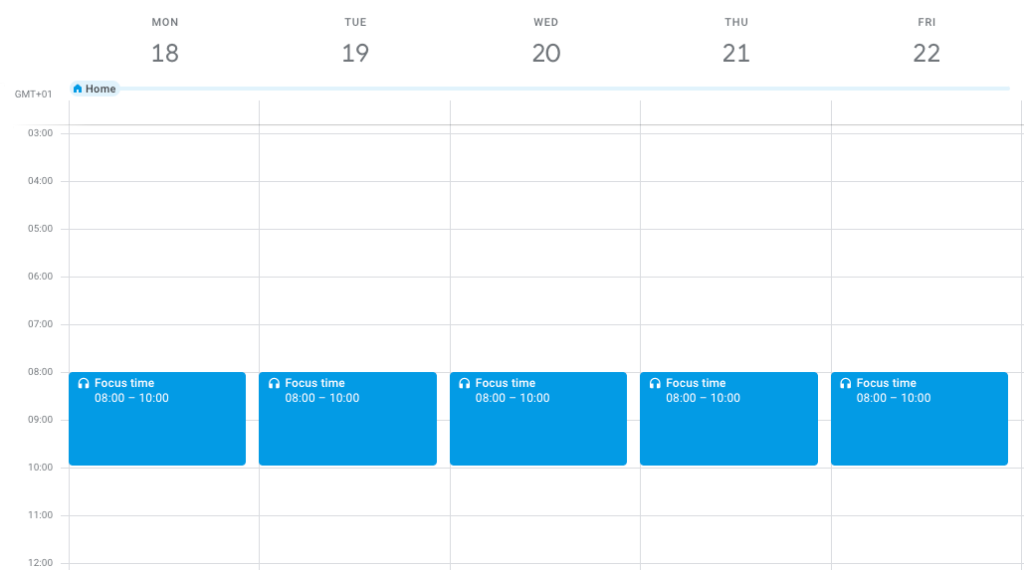
Schedule no-review blocks. Use async reviews instead of constant meetings. Normalize regular breaks and longer breaks after intense launches.
How this helps avoid burnout as a creative
This gives creatives dedicated time for deep work, and helps them reduce some of the pressure of constantly needing to create. People can switch gears without guilt and return with better focus.
6. Share the load with process and tools
The problem
Too many articles on how to avoid creative burnout as a creator place all responsibility on individuals. If you ask me, that ignores the root cause – broken systems. Humans have creative limits, but we can protect these with the right processes and tools.
Practices that help
Assign ownership of review processes to creative ops, creative project managers, or leads. Give them authority to simplify workflows. Use tools that support healthier habits by default, such as creative project management software.
How this prevents burnout
This helps embed healthy boundaries into your creative processes. The system supports creativity instead of draining it.
Benefits and trade-offs of fixing review cycles
Benefits
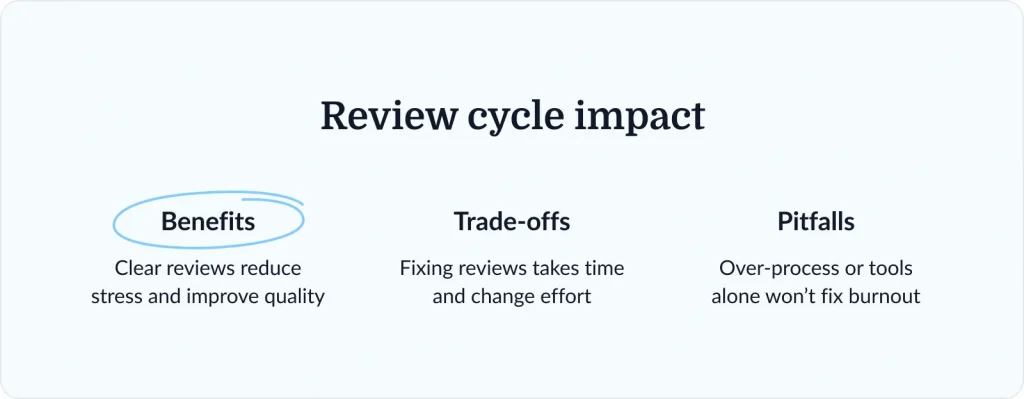
When review cycles are well designed, creatives feel more in control and far less anxious about feedback. Instead of bracing for surprise comments, they know when feedback is coming, who it’s from, and what it’s meant to achieve.
A clearer creative review process also means creative energy goes into the work itself, not into tracking comments, reconciling opinions, or managing admin. The result is higher-quality output and more room for creative expression.
That structure also brings predictability. Fewer late-stage changes mean fewer last-minute emergencies, which helps teams plan realistically and protect focus time.
Over time, this improves relationships too. When expectations are clear and feedback is easier to work with, the “us vs them” dynamic between creatives and stakeholders starts to fade, making collaboration feel more constructive.
Trade-offs
It’s important to be clear that fixing review cycles is neither free nor fast. You’ll spend time up front redesigning review steps, agreeing on rules, and aligning stakeholders, often as part of a broader project workflow-management reset.
Some people will resist giving up ad hoc or drive-by feedback habits. You may also need to push back on rushed timelines while new norms settle, which can feel uncomfortable at first.
Pitfalls to avoid
The biggest risk is over-engineering the process and adding unnecessary complexity. Another is using tools as a band-aid without changing behavior. And finally, avoid assuming burnout is solved once a platform is in place. Preventing burnout requires ongoing attention, not a one-time fix.
How Filestage helps make review cycles less burnout-inducing
Filestage is a creative review and approval platform that centralizes feedback on videos, designs, documents, and live websites, helping teams move from draft to approved with far fewer headaches.
That matters because most burnout during review cycles doesn’t come from the creative work itself. It comes from managing messy feedback.
When comments are spread across email threads, chat tools, decks, and screenshots, creatives spend their time tracking input instead of creating. Filestage brings feedback, versions, and approvals into one place, making the review process calmer, clearer, and easier to manage.
Rather than relying on memory or manual follow-ups, teams can build a more intentional creative review process that supports focus and mental energy. Review stages are visible, deadlines are explicit, and everyone knows when feedback is expected and when it stops.
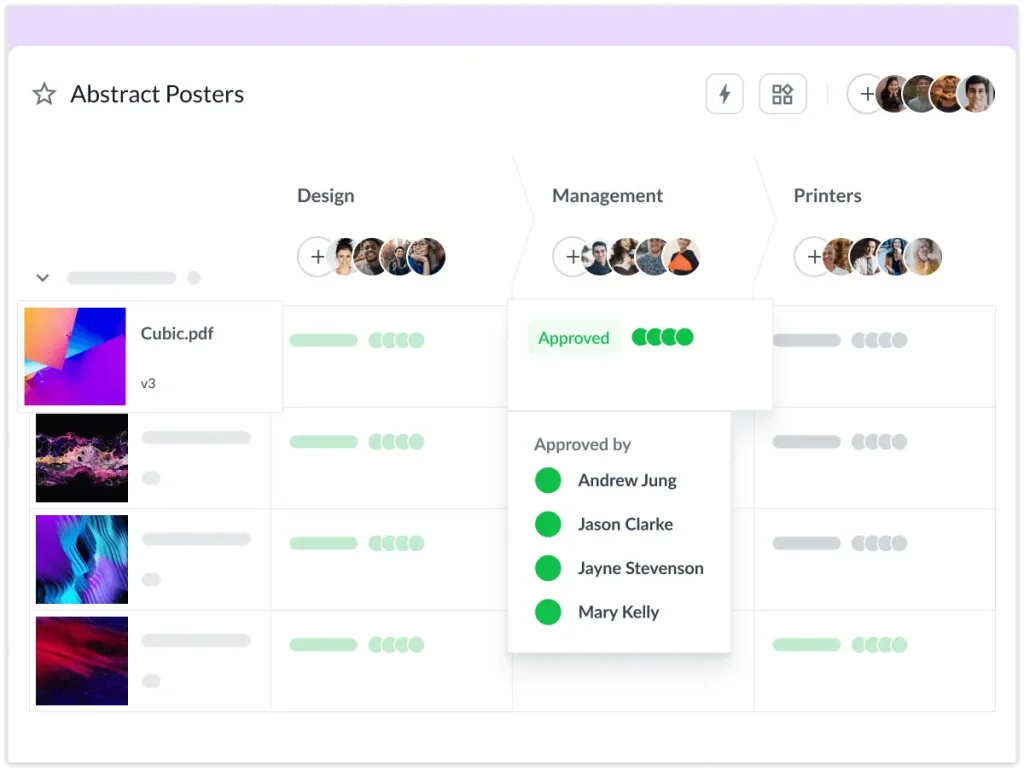
Here’s how Filestage supports burnout prevention:
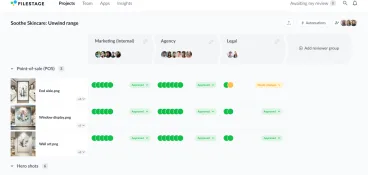
- Clear review rounds – You can set up internal, client, and legal stages with defined deadlines as part of a structured project workflow management approach
- Centralized feedback – Every comment lives on the correct version of the file using built-in file proofing, removing confusion and rework
- Actionable feedback – Context-aware comments, attachments, and full version history make feedback easier to understand and act on
- Protected focus time – Async reviews reduce the need for constant meetings and interruptions, helping creatives stay focused
- Shared load – Project managers and leads can see approval status at a glance, so creatives aren’t constantly asked for updates
You can explore how this works in practice with a customized demo.
Avoiding creative burnout starts with better reviews
In most cases, learning to avoid burnout as a creative is simply about improving how work is reviewed and how you set up feedback cycles.
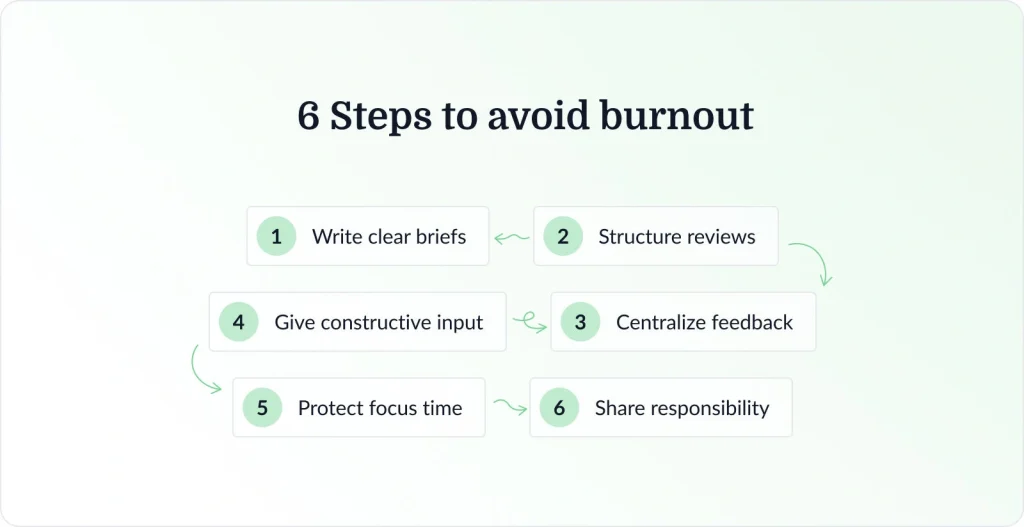
It starts with better briefs that reduce arbitrary rewrites and give your creative work a clear direction from the get-go. When the work is ready, intentional review rounds create a sense of closure instead of endless revision loops. At the same time, centralized feedback reduces cognitive load and eliminates unnecessary friction.
A great creative review process is also centered on kind, constructive feedback. When comments are specific and provide the necessary context, trust between creatives and stakeholders grows. That’s where a structured creative process comes in. Protected focus time makes deep, meaningful work possible. Finally, shared responsibility ties it all together, so creatives aren’t left carrying the entire review process.
If you want a practical first step, choose one active project and redesign its review cycle using two or three of these ideas. Your creativity is too valuable to burn out in chaotic review loops.
Want to experience what an effective review process feels like? Start your free trial of Filestage
FAQ
How can managers and creative leads redesign the review process to reduce burnout for their teams?
Start by clarifying ownership and decision-making. Limit who can provide feedback in each round, set deadlines, and centralize comments in one place. It’s about treating review design as part of creative collaboration, not an afterthought.
Which bad review habits most quickly lead to creative burnout?
Vague feedback, endless revision rounds, late comments, and feedback spread across multiple tools are the fastest ways to drain creative energy. These habits create uncertainty and make work feel never-ending.
How can centralising feedback and approvals help prevent creative burnout?
Centralisation reduces context switching and cognitive load. When feedback lives in one place, tied to the correct version, creatives spend less time searching and more time creating. Clear approvals also reduce anxiety about whether work is truly done.
What’s a simple first step a team can take this month?
Pick one project and commit to a single review space, a fixed number of review rounds, and one final decision-maker. Even small changes can significantly reduce stress and creative exhaustion.