
Liquid Death and Martha Stewart. Red Bull and GoPro. Uber and Spotify. Brand collaborations are everywhere. And while they can be hugely beneficial for your brand, there’s a lot to consider. The wrong brand partnership can feel forced or even alienate your audience. But the right collab? That can be pure magic.
I’ve put together this list of my 11 favorite brand collaborations, why they work, and five strategies you can steal.
Supercharge your marketing collaboration
Share, review, and approve all your content in one place with Filestage.
1. Doritos x Taco Bell
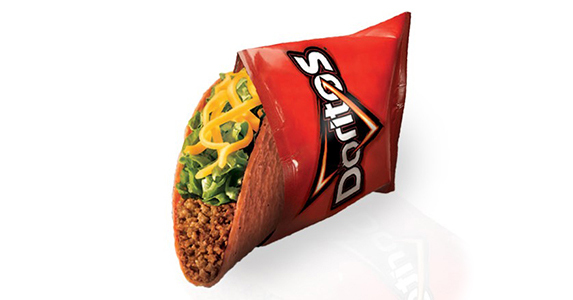
Back in 2012, Doritos and Taco Bell formed one delicious partnership that led to their iconic Doritos Locos Taco – a crunchy taco made with a Doritos chip shell. The brands created a collab that took the food industry by storm and remains a fan favorite to this very day!
This partnership worked so well because it was fresh and unexpected, yet still made total sense. The innovative product excited anyone who liked either brand and boosted business for both!
2. Johnnie Walker X Game of Thrones
At a time when the world was engrossed in Game of Thrones, Johnny Walker launched its series of themed Scotch Whiskies.
Each themed whisky was carefully crafted to reflect the characteristics and traits associated with the space or character on the bottle to create a more immersive experience for fantasy series’ target audience.
The limited-edition label was even printed with thermochromic ink, with the phrase “winter is coming” appearing on the label as it cooled. So good!
By tapping into the passion and loyalty of GoT’s fans, both brands capitalized on the cultural phenomenon of the television series to create something of value and excitement to their audiences.
3. Adidas X Beyonce
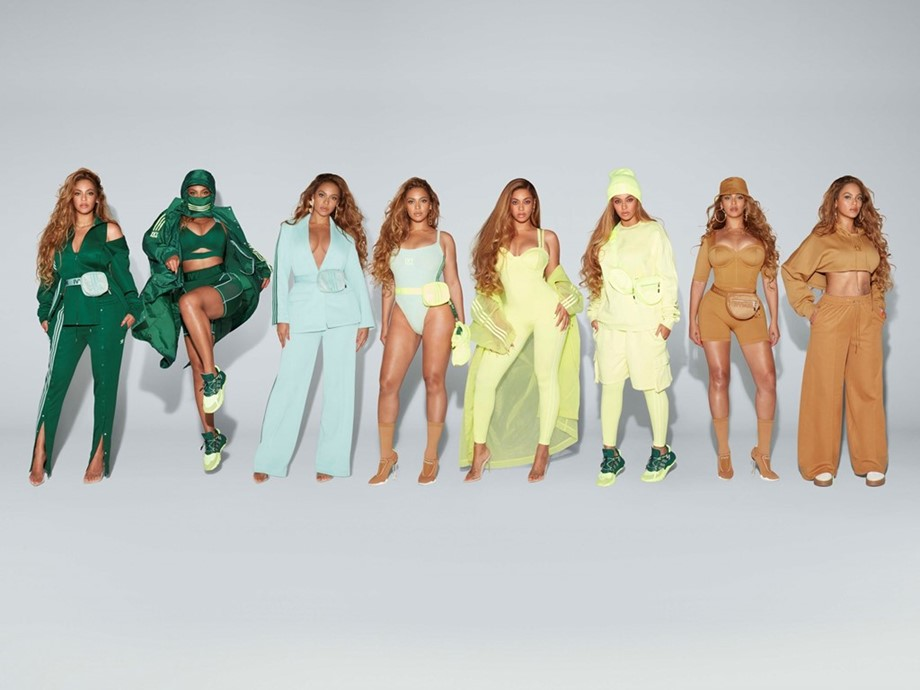
In 2018, sportswear company Adidas collaborated with Beyoncé for a collaboration that was music to both their fans’ ears.
The collab blended Adidas’ sleek sportswear with Beyoncé’s fashion-forward style to create their empowering Ivy Park collection.
The two brands leveraged their fan-packed social media platforms to ramp up excitement leading up to the collection release. Behind-the-scenes content and product reveals also kept their audiences wanting more.
The collaboration ran for five years before they parted ways in 2023.
4. Uber X Spotify

In 2015, Spotify hopped onboard with ride-hailing service Uber to create a music streaming experience that people could use during Uber rides.
The feature was called “A soundtrack for your ride” and it allowed passengers to choose the music played in their Uber cars via the Spotify app.
While Uber and Spotify might not appear to have a whole lot in common at first glance, this collaboration is a great example of how brands can come together to add more value to the customer experience.
5. Barbie X Airbnb

We can’t talk about successful brand collaborations without a nod to Barbie. 2023 was the year of all things pink in the run up to the Barbie movie. Brands from every industry you can think of joining in to ramp up the craze. We saw everything from pink cosmetics packaging to pink houses.
People around the world were buying into Barbie big time, from Crocs to Starbucks. But one of the most talked-about partnerships was between Barbie and Airbnb.
Barbie’s Malibu Dream House went up on the famous renting platform and gave fans a chance to relive their childhood dreams in style. A few lucky guests got to stay there for free too, and the whole thing went viral on social media channels across the world.
Barbie used a variety of brand collaborations to meet their audience through the brands they love today.
6. Apple x Hermès
Hermès is known in the fashion world for its premium products. Apple is the most valuable brand in the world, praised for its sleek designs. So it’s not really surprising that this is one of the most successful collaborations of the year.
The two brands worked together to create the ultimate smartwatch, mixing the cutting-edge technology of Apple Watch bands and the premium style of Hermès. Consumers can still enjoy all the benefits of an Apple Watch, but with a stylish leather watch band that screams luxury.
7. Heinz x Absolut
It all started when supermodel Gigi Hadid posted a viral video of her making a vodka pasta dish. The clever folks at Heinz and Absolut grabbed the opportunity by the horns and came up with one of the most successful brand collaborations of the year – the UK’s first tomato vodka pasta sauce.
The two brands came up with a genius social media campaign, complete with food influencers tasting the sauce. And sales of Heinz pasta sauces rose by over 50% in the two months after the campaign.
8. Sabrina Carpenter x Dunkin’

Everyone loves Sabrina Carpenter. And her hit song “Espresso” has dominated the charts. So naturally, Dunkin’ came up with this match made in marketing heaven.
In honor of Sabrina’s hit song, Dunkin’ introduced a limited-edition drink called “Shake that Ess”. Sabrina’s fans went wild for the collaboration, allowing Dunkin’ to tap into a new audience and build an ongoing partnership with the pop sensation. The social campaign was a hit, and sales went up for Dunkin’. Double win.
9. Cerave x Michael Cera
Listen, you’re going to hear a lot of advice out there telling you to only go for brand collaborations that make sense. And while that may usually be true, sometimes the whackier the better.
Every brand out there is using influencer partnerships to sell products and reach a broader audience. So, it’s harder than ever to stand out.
CeraVe found a way to cut through the noise with its unexpected collaboration with actor Michael Cera. The campaign was unveiled during the Super Bowl, where the skincare brand tried to convince the public that Michael Cera was actually the founder. And it worked. We all fell hook, line, and sinker. And the brand made one of the most memorable influencer partnerships in a long time.
10. Crocs x Balenciaga

Crocs has collaborated with everybody. And we mean everybody. From KFC to Hidden Valley to Ted Lasso, the shoe company has a limited edition line with a host of other brands.
Crocs went from an uncool shoe brand to a Gen Z darling. But it’s not usually associated with high fashion. That’s why this brand collaboration with Balenciaga caught my eye.
The brands got together to launch a shoe that mixes Balenciaga’s trademark edge with Croc’s signature chunky clog.
11. Liquid Death x Martha Stewart
What better way to relax than to kick back with a can of Liquid Death water and light your favorite Martha Stewart “Dismember moments” luxury candle. Right?
Liquid Death is known for shocking us. The water company’s edgy branding and dry sense of humor has been the secret to its massive success. I mean, it definitely stands out on the shelf next to its direct competitors.
Now, you might imagine Liquid Death doing brand collabs with metal bands or even extreme sports stars. But no. It chose to create a limited edition candle with none other than Martha Stewart. Martha may be best known for her housekeeping tips, but she has proven to be the queen of unexpected brand partnerships. It’s so wrong it’s right.
Common types of brand collaborations
Brand collaborations are when two (or more) brands strategically partner up to drive growth and increase brand recognition and reach.
Beyond tapping into each other’s existing audiences, brand collaboration also brings together both brands’ ideas and expertise to create new products, services, or marketing campaigns.
Here are a few of the different ways brands can collaborate:
Cross-promotion
Cross-promotion is often one of the first things that comes to mind when people think of brand collaborations. This is when brands join forces to create shared marketing campaigns, events, or joint discounts.
Successful cross-promotion partnerships give both brands access to each other’s audiences and offer a better customer experience. You can achieve this through co-branded content and social media campaigns.
Example: Red Bull x GoPro
These brands were able to tap into the shared interests of their adventurous audiences and find a way to complement each other.
Influencer partnerships
An influencer partnership is when a brand works with a well-known content creator or celebrity. The influencer might then appear in the brand’s own marketing content, promote the brand on their own channels, or both. This is a great tactic when it comes to building trust and credibility for brands.
Example: Bumble x Amelia Demoldenberg
Bumble had the genius idea to tap into Amelia’s audience and play on her dry sense of humor with this partnership. Amelia is notoriously looking for love, and turns out to be the perfect person to offer dating advice to Bumble’s audience.
Product collaborations
Brands can also work together to create co-branded products or limited-edition collections that appeal to both of their audiences. The unexpected nature of these products often makes them super PR-able for even more engagement.
Example: BMW x Louis Vuitton
BMW and Louis Vuitton are the perfect example of a product collaboration that shouldn’t make sense, but it just does. The luxury fashion brand joined forces with the luxury car brand to launch a four-piece luggage set that fits perfectly into a BMW. The sleek design reflected both brands and appealed to both of their target markets (who share a love for high-end products).

Three benefits of brand collaborations
Before you venture into the world of brand collaborations, it’s a good idea to look at why brands choose to collaborate in the first place. This will help you figure out if a brand collaboration is the right marketing move for your business.
A successful brand collab comes with lots of benefits. Let’s have a peek at some of them.
1. Reach more people
By collaborating with another brand, you’re opening the door to their customer base. This means you can get your products in front of audiences that you might not have been able to reach on your own.
2. Build trust
Partnering with a reputable brand can add more credibility to your product or service. A trusted and well-respected partner can grow confidence and trust in your own brand, reassuring customers of the quality and reliability of your products or services.
3. Split the costs
Brand collaborations work as a cost-effective way to market your business as you get to split the bill for marketing campaigns, product development, or events. And because many hands make light work, you’ll be able to get projects done faster by sharing resources too.
How to run a successful brand collaboration in five steps
Ready to reap the benefits of brand collaborations? Say no more! Let’s look at everything you need to know to successfully partner up with another brand.
1. Define your goals
Before you even think about approaching a brand, you need to get clear on what exactly it is you’re hoping to achieve. Do you want to grow your social media following? Promote a new product? Or drive online sales?
When you know what you want to get out of collaborating, you’ll be able to approach the right brands that compliment your industry or audience. It’ll also make it a whole lot easier to build and execute a collaborative content strategy.
And remember, partnerships should always align with your brand strategy.
2. Pick your potential partners
Once you’ve pinned down your main goals, you can start thinking about the kind of brands that share your vision.
When trying to find brand collaborations, try to zone-in on brands that share a strong common thread with yours. Your brand collaborations might revolve around the shared interests your target market has, your complimentary personalities, or your target audiences’ top priorities.
The proof of a successful brand partnership is when both brands mutually benefit from it in one way or another. For this reason (and many more, to be fair!) you don’t want to collaborate with competing brands. You should also steer clear of brands that have already worked with your competition too.
Taking the time to research and approach the right brand will make for a seamless content collaboration.
3. Establish roles and responsibilities
After locking in your perfect brand partnership, it’s important to clearly define what’s expected from each company throughout the collaboration, to avoid any misunderstandings or conflicts later down the line.
Take the time to talk through what each brand will do, how the process will run, as well as outlining a project timeline. The brand you’re working with will still have their own marketing projects on the go. So it’s important to be clear on timings and respect your brand partner’s schedule.
Since brand collaborations rarely allow for everyone to work under the same roof, it’s also a good idea to pick the best file sharing and design collaboration tools to streamline the way you work.
Laying down the foundations now will make sure both brands have the tools and information they need to achieve success. This is key when it comes to building authentic brand collaborations.
4. Create something new
Creativity involves the merging of existing ideas to make something entirely new. In this sense, brand collaborations give you an opportunity to come together and create a campaign, product, or event that’s never been done before. And that’s pretty exciting!
While I’m not saying you should throw your brand brief out the window when collaborating with another business or influencer, this is your chance to defy norms and push the boundaries of what existing customers expect from you and your partner.
The key is to find the balance between the element of surprise and maintaining your brand identity.
Brainstorm ideas around key themes or concepts that resonate with both brands. Think about how you can blend your personalities together in an unique way. Aim to create something of value (or at least, of interest) to both your audiences – and have fun with it. That’s the secret to truly collaborative working.
5. Track your results
When your brand collaboration is done and dusted, it’s important to crunch the numbers and identify areas of improvement and lessons learned. AI marketing tools can give you some of the data you need.
Collecting feedback from customers and stakeholders will also give you a more detailed indicator as to how well your brand collaboration was perceived.
Not only can you use these findings to check whether you met your original objectives, you can also keep them in your back pocket for when you want to pitch to other businesses and influencers for collaboration in the future.
Review all your brand collaboration content with Filestage
When collaborating with another brand, you often need to get final approval from even more people than usual. And this can wreak havoc on your review and approval workflow, if you don’t have the right support in place.
After all, we know how much brand governance matters.
Filestage is a content review platform designed to take the hassle out of giving and organizing feedback on your projects. It allows you to share a range of file formats (images, videos, documents, PDFs, live websites, etc.) on one user-friendly software, which makes it the best sidekick for reviewing all your brand collaboration content.
Here’s are some of Filestage’s key features:
- Create automated approval workflows to speed up the entire review process
- Upload and track as many versions of your files as you need
- Create different review steps for various collaborators
- Turn comments into actionable to-do lists for more clarity
- Have your reviewers “Request changes” or “Approve” your work, so everyone knows what stage a project is at

And here’s how to start reviewing your content right now:
- Sign up to Filestage and create your first project
- Upload files for review
- Create review groups for each stage of your project
- Invite people to collaborate and give feedback
- Upload new versions until all collaborators give the green light
Simples.
Final thoughts
Brand collaborations can be a real win-win situation for businesses. But to create the dream team of brand partnerships, you need to set clear objectives and create something of real value to your audience.
Hopefully this article has given you the tools and inspiration you need to step into your brand collaborations with confidence. And if you’d like to see how Filestage can help you review all your brand collab materials and more, start your free trial today.