

Having worked in agencies for several years, and as a freelancer for several more, I’ve dealt with my fair share of difficult clients. Those who keep moving the goalposts. Those who are always late with feedback. Those who micromanage everything. And the worst kind – those that are just plain rude. Working with challenging clients can be, well, challenging. To put it lightly.
And the worst part isn’t just that these characters test your patience. They can derail projects, impact your profitability, and burn your whole team out.
But when you’re armed with solutions and skills, you’re better equipped to deal with them.
In this article, I’ll provide seven tips to help you deal with difficult clients, plus five tips to help you prevent problems before they arise. And if all else fails, I’ll help you understand when it’s time to walk away.
Is poor communication losing you time (and accounts)?
See how top agencies cut feedback costs and roll out campaigns 30% faster with our client feedback tool.
Seven tips for dealing with difficult clients
Whether you’re facing a disorganised, high-maintenance, or disrespectful client, here are seven tips for dealing with them.
1. Stay calm and professional
When you’re dealing with difficult characters, it’s natural to feel frustrated, especially if you’re doing your best and still getting pushback.
But reacting defensively or emotionally will only escalate the situation. Fighting fire with fire rarely works.
Instead, take a breath, remain calm, and respond with clarity. Reframe challenges as problems to solve together, and steer difficult conversations back to practical next steps. You’ll come across as confident, in control, and committed to solutions and a positive outcome – even if your client’s energy is a little more chaotic.
For example
If a client sends an email that feels critical or unfair, resist the urge to match their tone and fire back. Instead, take a moment (and a deep breath) before replying. Then come back with something like,
“Thanks for the feedback, I really appreciate you sharing your thoughts. I’d be happy to jump on a quick call to make sure we’re aligned moving forward.”
This shows professionalism and keeps the conversation constructive.
2. Listen and empathize
Not every difficult client is being difficult on purpose. In fact, most of them probably aren’t. Often, their behavior stems from stress, pressure from their boss, or simple miscommunication. The best thing you can do? Show you’re listening – even if you don’t fully agree.
Practice active listening techniques like paraphrasing their concerns (“So just to check I’ve understood…”) and asking open-ended questions to get to the root of the issue. If you’re on a call or in a face-to-face meeting, keep your body language open – nodding occasionally, maintaining eye contact, and avoiding defensive gestures like folded arms.
Your goal isn’t just to solve the problem, nor is it to accept blame. It’s to help unhappy clients feel heard, understood, and reassured that you’re on the same team.
For example
If a client seems tense or frustrated, try saying,
“I can see this project’s really important to you, and I want to make sure we get it right.”
Even a small moment of empathy like this can help lower defenses, rebuild trust, and open the door to a more productive conversation.
Discover more client communication tips to boost client retention.
3. Ask the right questions
When clients are unclear, demanding, or constantly shifting expectations, it can be tempting to just go along with it to keep things moving. But taking the time to understand where they’re coming from and what they actually need can save you a world of confusion. And a whole load of time.
Instead of guessing what they mean, prompt them with specific questions:
- What are they really trying to achieve?
- What does success look like?
- What’s missing in the current version that’s making them unhappy?
Get a few examples of what they like (or don’t like). Then, try reframing their comments to check you’re on the same page.
The more clearly you understand their point of view, the easier it is to find a solution, manage expectations, and move things forward – without getting stuck in endless rounds of revisions or back-and-forth emails.
For example
If a client says, “Can you just make it pop more?” try responding with,
“Do you have a reference in mind or an example of something you’ve seen that feels right? That’ll help us get closer to what you’re imagining.”
It shows initiative and gives you something concrete to work with.
4. Set boundaries and stick to them
When a client keeps pushing for more – more revisions, more features, more time – it can feel easier to just say yes and keep the peace. But constantly giving in isn’t sustainable. It can eat into your profit, drain your team’s energy, and set the expectation that anything goes.
Instead, be crystal clear about scope, timelines, and revision limits from the start. And if things start to drift, don’t be afraid to gently remind them of what was agreed. When a client understands that they can’t keep moving the goalposts, they’re much more likely to respect the process.
For example
If a client asks for a third round of changes when you agreed on two, try saying,
“We’d be happy to make that update – just to flag, this would fall outside the original scope, so we can either treat it as an additional revision or park it for a phase two.”
This helps maintain the relationship while reinforcing your boundaries.
5. Document everything
A clear paper trail is essential for client management. And even more so when you’re dealing with tricky clients. When a client changes direction, disputes what was agreed, or asks for “just one more thing,” having a written record gives you something solid to fall back on.
So with that in mind, always follow up on meetings and calls with quick summary emails. Confirm scope changes, deadlines, and feedback decisions in writing.
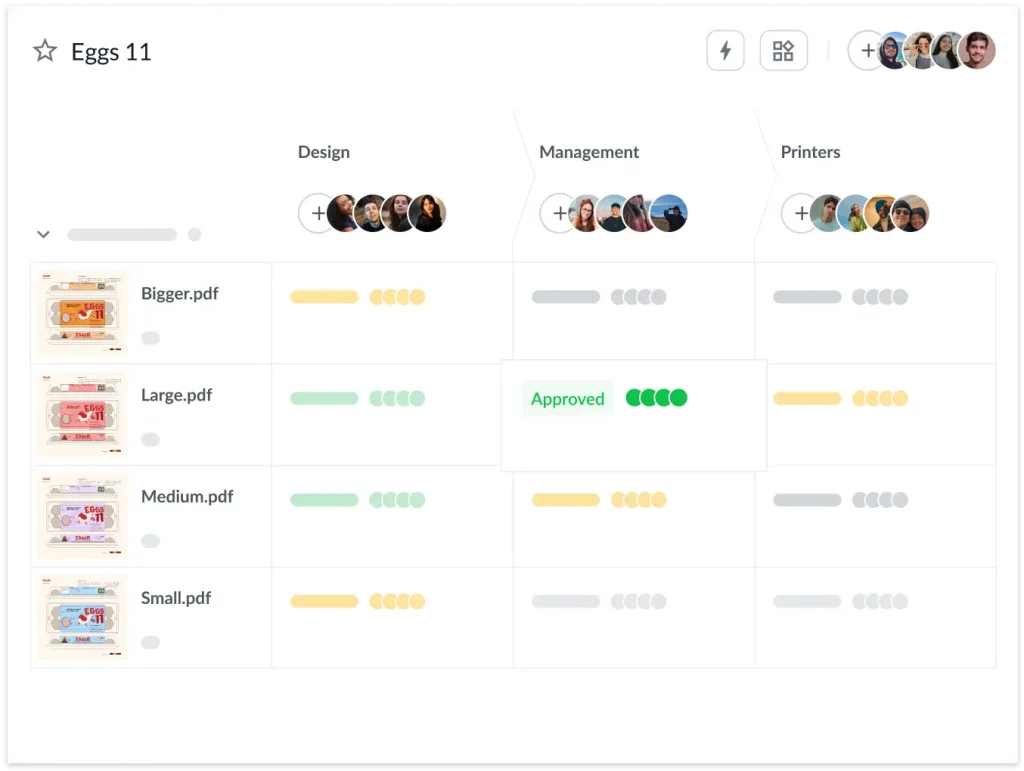
For creative work, consider using a client feedback tool like Filestage, so that every piece of feedback is tracked and easy to refer back to.
Here’s how Filestage helps
- Keeps feedback organized in one place, instead of scattered across emails and messages
- Tracks version and feedback history so you can see exactly who said what, and when
- Captures clear approvals with a one-click sign-off system
- Reduces confusion and miscommunication, helping projects run more smoothly
6. Know when to escalate or bring in backup
You don’t have to handle every difficult client situation alone. If you’re going around in circles or the relationship is starting to feel strained, it’s okay to escalate.
Bringing in a senior team member or project lead can show the client that their concerns are being taken seriously. It also gives you some much-needed support. This step often helps to diffuse the situation, resetting the tone so that you can move things forward effectively.
Just make sure you frame it as a positive, collaborative move, not a confrontational one.
For example
If a client keeps rejecting work without offering clear feedback, you might say,
“To make sure we’re aligned, I’d like to bring in our creative director to join the next call. They can help us dig into the brief and find a way through this together.”
This signals collaboration, not confrontation – and brings fresh authority into the conversation.
7. Reflect and learn
Tricky client experiences can be frustrating in the moment, but every single one is an opportunity to learn. To make them work in your favor, take time to regularly reflect with your team, chatting through what’s working and what’s not.
Are there early red flags you could act on now? Could anything be handled differently next time? These insights can feed directly into how you communicate, operate, and onboard new clients going forward.
For example
If a client keeps asking for last-minute changes, you might decide to build in firmer revision windows for feedback or explain the review process more clearly during kickoff next time. Small tweaks like these can help prevent problems before they even start.
Speaking of which…
Five ways to prevent client problems before they start
I’ve covered how to deal with difficult clients once problems start to appear. But let’s be honest, it’s much better if they don’t become difficult in the first place.
By setting the right foundations early on, you can reduce friction, improve communication, and build healthier client relationships from day one.
Here are five ways to prevent client problems before they start.
1. Choose the right clients
If things feel off during the pitching or onboarding phase, don’t ignore it. Maybe they’re pushing for a huge discount. Maybe they’re slow to respond, asking for too much, or overly critical before you’ve even started.
If a potential client is already giving off negative vibes, you can probably expect more of the same once the contract is signed. Trust your gut. Saying no early is sometimes the best decision you can make.
2. Set clear expectations from day one
Difficulties often arise when a client has unrealistic expectations. But when you manage client expectations well from day one, you avoid confusion and frustration down the line. The onboarding process is your chance to set realistic expectations, define responsibilities, and avoid future misunderstandings.
Talk through project timelines, goals, preferred communication channels, and what happens if anything falls behind schedule. If you’re using specific tools or workflows, explain them up front so the client feels confident in how things will run.
3. Create a robust feedback and approval process
A clear client approval process plays a big part in every good agency-client relationship. That’s because it keeps projects running smoothly, holds everyone accountable, and keeps both sides aligned from start to finish.
Using a centralized platform like Filestage helps.
Filestage keeps all comments, versions, and approvals in one place, avoiding scattered communication across emails, Slack messages, and random phone calls. This reduces the risk of miscommunication, lost input, or conflicting feedback.
Here are a few ways to make your feedback process stronger from day one:
- Set clear deadlines – When clients know exactly when feedback is needed, they’re more likely to respond on time, keeping approvals on track.
- Encourage honest feedback – This reduces the chances of misaligned expectations and ensures misunderstandings are caught and resolved before they escalate.
- Keep track of approvals – A visible record of all decisions and sign-offs protects both parties from potential disputes.

Is poor communication losing you time (and accounts)?
See how top agencies cut feedback costs and roll out campaigns 30% faster with our client feedback tool.
4. Communicate regularly
Communication is key. Not just when something’s gone wrong, but all the way through a project. Regular check-ins, updates, and progress reports help build trust and show the client that things are under control.
This makes it much less likely they’ll panic or micromanage. And if something is going off-track, you’ll be able to catch it early and realign before it becomes a bigger issue.
5. Build trust through transparency
When clients trust you, they’re more likely to stay calm – even if things don’t go exactly to plan. Be open about your processes. Be honest about challenges. And if something needs to shift, tell them early. It’s far better to flag issues than to pretend everything’s fine until it’s too late to fix.
Using a client feedback tool like Filestage can help you achieve this. Not only do you have a transparent, visual feedback workflow, but you also have every comment in one place if you need to refer back to it at any time.
Because clients can annotate files directly, feedback is clearer and more contextual. This eliminates confusion or the need for follow-up questions because comments aren’t clear.
Clients can easily see the progress of each asset in the project dashboard to keep things transparent.

When to walk away from difficult clients
Most problematic clients can be managed with the right boundaries, systems, and communication. Most, but not all.
If a client is consistently disrespectful, disregards your time, ignores agreed-upon terms, or pushes your team to burnout, it may be time to part ways. No project is worth damaging your reputation or your team’s long-term well-being.
If you’ve raised concerns, set boundaries, and still face issues, it’s okay to end the relationship professionally. It’s scary, I know, but ending a project on your terms gives you space to focus on clients who truly value your work.
Final thoughts
At some point, you’re bound to come face to face with a difficult client. But with the right skills and strategies, you’ll be better-equipped to deal with them, without losing your cool. Better yet, with smart processes, strong communication, and clear boundaries, you can prevent many problems before they arise.
If you’d like to see for yourself how Filestage can simplify feedback workflows and take the stress out of working with difficult clients, start a free trial today →