Brands are like people. The best ones are those we know we can trust and rely on. If you’re flaky and inconsistent, chances are you’re going to have trouble making and maintaining healthy, happy relationships.
This same rationale applies to brands. We want to like their character, and take comfort in knowing what to expect when we interact with them. Which is why brand compliance software is indispensable for brands of every size.
So, let’s take a look at the best tools on the market right now that will protect your brand reputation through consistency, collaboration, and all that good stuff.
We’ll break this article down into the following use cases:
- Building brand guidelines
- Implementing strong approval processes
- Fostering collaboration across your brand
- Gathering customer feedback
- Monitoring brand consistency
- Creating content
1. Frontify – best software for building brand guidelines
Source: frontify.com
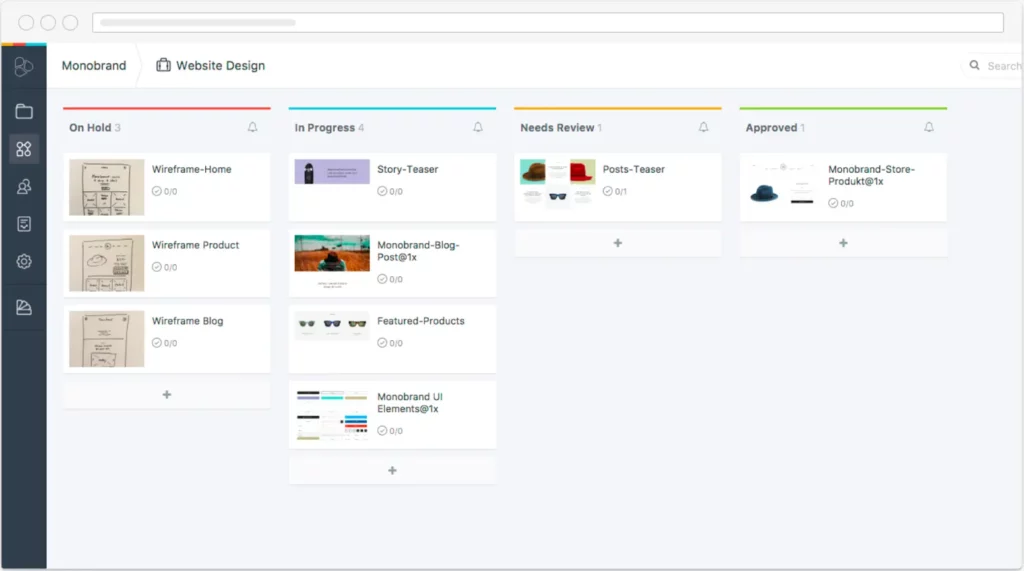
You’d have to be a real sucker for punishment to build your brand without developing a sturdy set of brand guidelines. These guidelines will help you craft your brand’s personality and maintain consistent messaging. But they will also make sure every employee you hire knows what your brand’s core values are, and how best to communicate them.
Frontify is known for its intuitive interface and easy to use tools that make it possible for anyone to create some cracking brand guidelines regardless of their design or technology knowledge.
Pros
- Frontify has a handy style guide customization feature that allows you to tailor your branded content to a tee.
- This software also offers stats and analytics around your brand assets, helping you see and understand how your assets are being used.
- Frontify comes with the ability to to translate and localize your brand guidelines, making them accessible to people from different countries and cultures.
Cons
- If you’re more interested in social media communications, this software has limited tools for monitoring this kind of consumer interaction.
- Frontify might be a bit pricey for smaller or startup organizations, starting at $79 per month.
- For brands seeking more in-depth insights and analytics around their brand, they might find Frontify’s monitoring too basic.
2. Filestage – best software for implementing strong approval processes
If you’ve already sorted your brand guidelines, you’re going to want to set up a smooth and speedy approval process that will keep each and every piece of brand work consistent across your entire team.
Whether your team is making a piece of social film content, reviewing copy, or doing a small brand refresh on your website, Filestage is the perfect tool to keep all of your projects consistent and moving in the right direction.
On top of that, Filestage also doubles as file comparison software, quickly highlighting changes between two versions to help make sure nothing has changed without you noticing.
Pros
- Filestage integrates with your favorite tools like Slack, Asana, and Microsoft Teams for seamless file reviews and approvals within your brand.
- It’s easy to review and comment on PDF files, videos, doucments, designs, live websites, and more.
- The software also saves each version of your file, so it’s easy to go back and track progress. This can help improve your brand workflow on future projects.
- Its AI reviewers can check your content against your brand guidelines and flag inconsistencies, forbidden words, or errors to help keep things compliant.
Cons
- With our Free plan, there is a limit on the amount of review steps you can have. This may or may not affect your workflow, depending on the type of project.
Supercharge your marketing reviews
Share, review, and approve all your content in one place with Filestage.
3. Bynder – best software for fostering collaboration across your brand
Source: bynder.com
For brands to be consistent, every team across the organization needs to be on the same page. It’s as simple as that.
The right brand compliance software will make collaborative working a whole lot easier. It will give your people one shared space where they can touch base on all things brand related, reducing the risk of using old assets or putting off brand content out into the world.
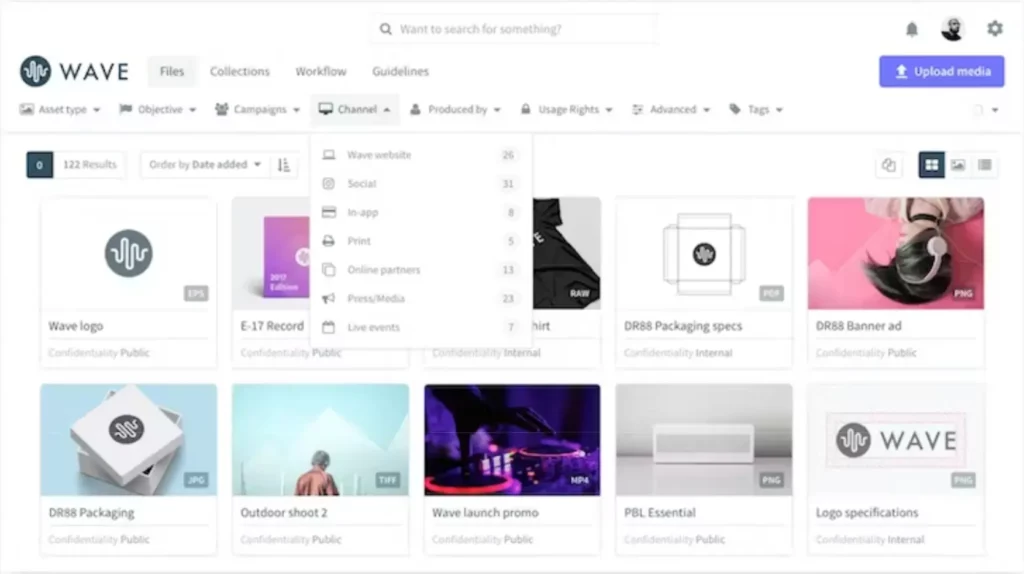
Bynder is a popular graphic design project management option for teams who want to manage their brand’s digital assets with ease.
Pros
- Bynder has lots of different features that allow for efficient, collaborative working across the board. Multiple users can work together on the same project, sharing feedback and uploading new versions as they go.
- Bynder also gives you control over who can do what to your files and assets with their permissions and access features. This keeps your content secure and prevents the unauthorized use of your assets.
- Keeping your teams in the loop is important, and that’s exactly what Bynder’s version control feature is for. Never lose track of your assets’ progress again!
Cons
- While Bynder has lots of features that aid collaboration, this comes with the downside of some complexities and a bit of extra learning and adjustment time for you and your team.
- Slow loading times have been reported by more than a few frustrated customers.
- There have also been complaints about the limited/sluggish customer support which can result in a delay with fixing issues in a timely manner, which is an important point to note for bustling brands.
4. Qualtrics – best software for gathering customer feedback
Source: qualtrics.com
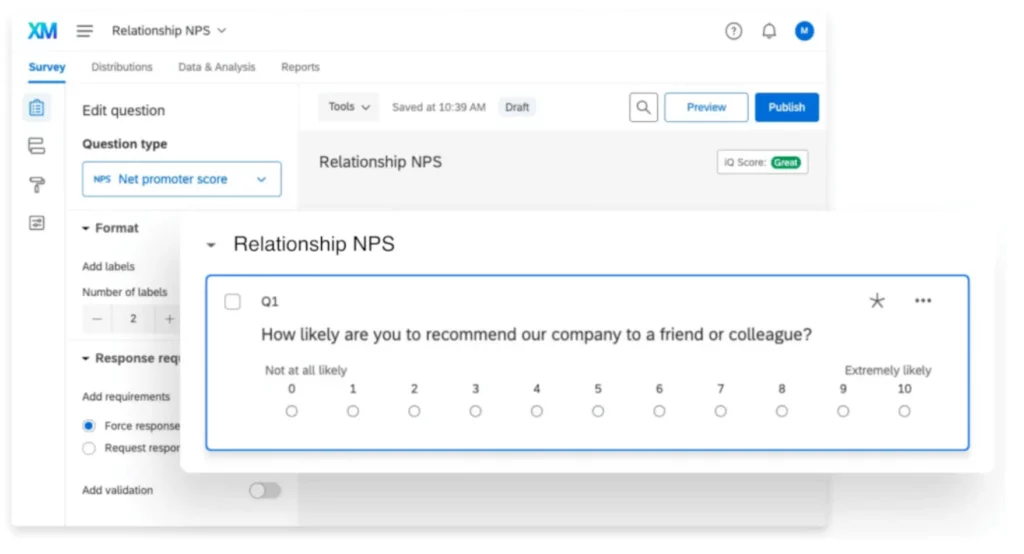
A brand without a loyal customer base is like a plant without sunlight. It simply won’t survive. And like any relationship, communication needs to come from both sides. That’s where customer feedback comes in handy. And the brand compliance software that ticks this box the best, in our opinion, is Qualtrics.
Qualtrics is packed full of useful features for consumer engagement, so let’s unpack this platform’s biggest pros and cons.
Pros
- Qualtrics has a humongous range of survey creation options like customizable question types, and advanced customization. This will allow you to create some highly tailored and engaging surveys to collect customer feedback, which can do wonders for brand integrity in the long run.
- Qualtrics also allows you to gather feedback from multiple different channels, including email, websites, mobile apps, and social media. This kind of flexibility means you can reach customers through their preferred communication channels, which will increase your response rates and for more diverse feedback.
- Keep up with your customers, and pick up on trends and patterns with Qualtrics’ powerful analytics and reporting features. Yes, this platform offers real-time data visualization, text analytics, statistical analysis for some seriously juicy insights.
Cons
- While Qualtrics offers advanced reporting capabilities, some users have found the reporting interface to be less intuitive. This could mean needing to make time to train your employees on how to use these features.
- Qualtrics is perhaps not the platform for those looking for short term brand compliance solutions, as it requires its users to sign a contract for a period of time.
- Some people have raised issues with the fact that their offline survey capabilities are limited. Probably not a deal breaker for most brands these days, but just a heads up.
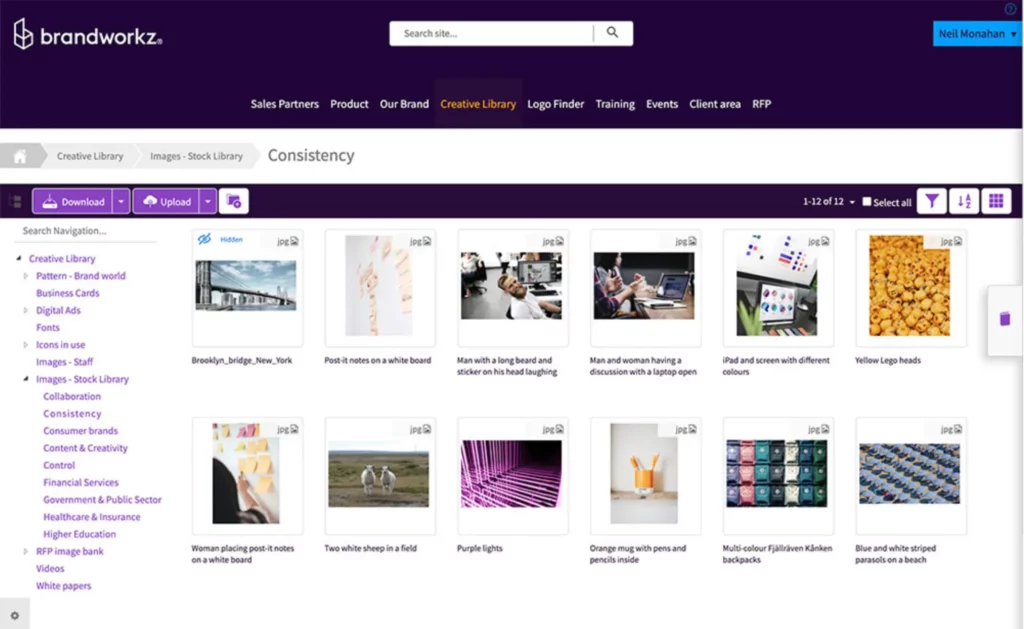
5. Brandworkz – best software for monitoring brand consistency
Source: brandworkz.com
Having some top notch guidelines is great. But to maintain high brand standards, you’re going to need to keep a regular check on these guidelines, assets, and templates as your brand evolves and expands.
Luckily, there are more than a couple decent marketing and brand compliance platforms that come with some pretty useful monitoring features. Our pick of the lot here is Brandworkz. Let’s look at some of its best bits, as well as some potential hang ups that you might want to watch out for.
Pros
- Brandworkz offers one clean, focused platform where you can organize and manage your brand assets, guidelines, and templates. It’s designed to be the only hub you’ll need for your brand marketing management.
- This software also has a super intuitive template feature. It allows you to create and tailor a variety of assets to suit your brand’s personal style while sticking to brand guidelines.
- Another useful set of features that make monitoring your brand compliance that bit easier are its customizable checklists and audits. These let you define specific brand rules and criteria your team needs to tick off before their assets see the light of day.
Cons
- Brandworkz’ automation features are relatively limited compared to other brand compliance software. So if you’re looking for things like automated task assignments and notifications, this platform will leave you hanging.
- This one doesn’t rank too high for its integration with social media channels. So, if you’re looking for intuitive content scheduling etc., this might not be the brand compliance software for you.
- Limited analytics functions mean you won’t be able to gather in depth insights about consumer engagement, trends, and patterns with Brandworkz.
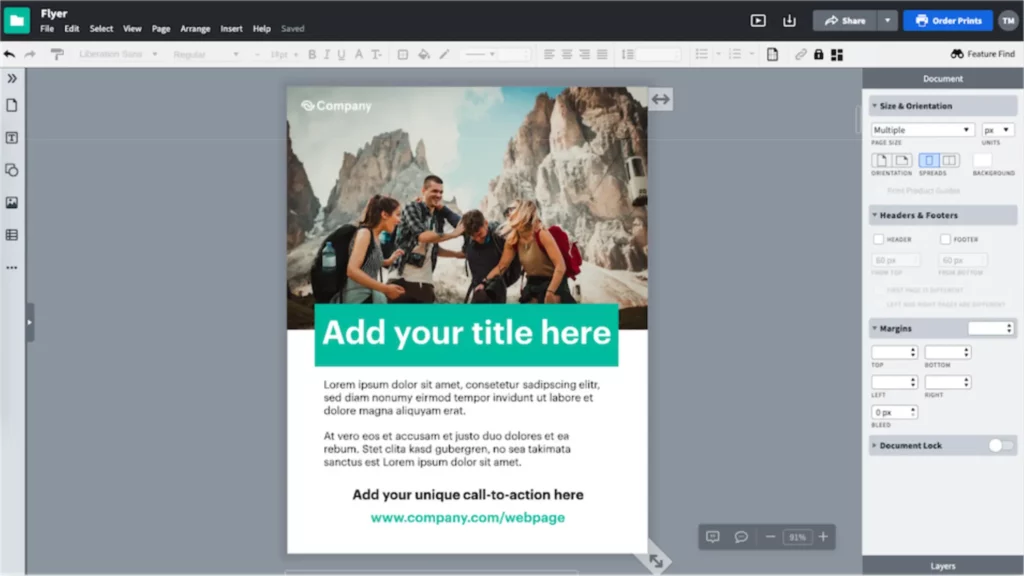
6. Marq – best software for creating content
Source: marq.com
It’s no secret that making on-brand content is often seen as a job for brand managers and design teams, be it in house or via a marketing agency. But for companies that want to share this responsibility while ensuring brand recognition, modern brand compliance systems like Marq can be a great place to start.
Maeq gives everyone the chance to create content for the brand. All while following your visual identity via your guidelines. So, if you’re keen to give your overworked design team a breather, take a look at the pros and cons of this intuitive brand compliance software.
Pros
- Marq offers a range of customizable templates for all sorts of marketing content like brochures, flyers, and newsletters. And these templates can be tailored to your brand.
- One of the best things about this software is how easy it is to use. Anyone can create content irrespective of their design knowledge, thanks to Marq’s drag and drop feature for updating the existing brand templates.
- Another perk here is the fact that Marq integrates seamlessly with most popular platforms, including Google Drive, Dropbox, and HubSpot. We weren’t exaggerating when we said that this software is for everyone in your organization!
Cons
- Marq has been known to lag a little when working with large files or projects that contain lots of high resolution images or designs.
- Now, while this software does allow you to create content for your brand, it’s not a replacement for a specialized design tool, like a graphic or a label design software.. It’s great for designing simple marketing materials, but your design team will have to step back into the ring to tackle some of the more complex tasks.
- Marq is entirely cloud-based, with no downloadable software options for offline use.
7. Filecamp – best DAM software for small to medium-sized companies

Brand compliance starts with a proper system for managing your assets and making sure everyone is using the latest version of your guidelines, logos, and materials. That’s where digital asset management (DAM) software comes in.
Filecamp is an intuitive cloud-based DAM tool that offers a central hub for brand assets. Thanks to the simple UI and cost-effective pricing options, it’s an ideal brand compliance software for small to medium-sized companies.
Pros
- Filecamp’s interface is user-friendly, making it easy to manage and access brand assets with no training required.
- Filecamp provides full portal branding (you can add your logo and customize everything from emails to URLs) so you can set the tone right off the bat.
- Filecamp offers unlimited users across all plans and flexible permissions, so it can scale with your team.
Cons
- Filecamp lacks the advanced search functionality found in larger DAM tools.
- Integrations with other tools are limited compared to other software in this list.
- Large enterprises may need additional features that Filecamp doesn’t currently offer.
8. Brandkit – best software for keeping brand assets secure

It’s hard to keep your brand consistent and compliant when you have multiple stakeholders, partners, and collaborators involved in the content process. Without a proper system in place, your brand message can quickly become diluted, and quality standards can slip.
Brandkit helps you keep both internal and external stakeholders on the same page. It’s a simple, self-serve brand portal that allows users to easily access everything from logos to templates to assets. You can also create and manage brand guidelines within the tool.
Pros
- In-built AI tools like chatbots, LLMs, and agents can help you manage brand governance, even with a lot of stakeholders involved.
- It offers security features to protect your brand assets and make sure they meet compliance standards.
- Brandkit’s auto-magical attachment feature allows you to auto-attach brand guideline documents to any assets to make sure every stakeholder has the guidelines.
Cons
- Smaller teams may find the number of features overwhelming.
- The higher price point may not be accessible to smaller teams or those on a budget.
- Reporting capabilities are limited compared to other tools.
9. Brand24 – best for monitoring your brand’s online reputation

Most brands now show up across multiple social media channels, and may have a slightly different tone of voice depending on the platform. That makes it tough to maintain compliance standards, especially when you have different creators representing your brand.
Brand24 is an AI-powered brand management platform that allows you to track, analyze, and respond to online mentions. While not technically brand compliance software, it’s a must if you’re serious about protecting your brand’s reputation online. You can track mentions across multiple channels from one place, including blogs, socials, YouTube, and podcasts.
Pros
- AI-powered sentiment analysis, topic mapping, and influencer tracking make it easier to jump on trends quickly.
- There’s a strong competitor tracking feature so you can benchmark your performance against other brands in your space.
- Brand24 offers robust features for reputation management, crisis response, and campaign evaluation.
Cons
- Some features (like AI insights and tracking coverage for podcasts) are only available on higher-tier plans.
- Managing brand mentions across multiple platforms can be time-consuming, even with a dedicated tool.
- There’s a bit of a learning curve for new users.
10. Pics.io – best for tracking changes to brand assets

Storing all your brand assets in one place is a pretty essential part of maintaining consistency and compliance standards. But most brand managers run into issues when it comes to version management. Before you know it, your platform is filled with old versions of assets, and nobody knows which one they’re supposed to be using.
Pics.io is a cloud-based digital asset management platform that provides a centralized space for your brand materials. Brand Managers can use features like asset tracking, batch editing, and duplicate detection to keep assets organized. And thanks to its comprehensive analytics and reporting tools, you can maintain full visibility of changes to your brand assets.
Pros
- Pics.io has strong access controls so you can manage who can see sensitive materials.
- Its tracking feature allows you to monitor who is using the assets, who accessed materials, what modifications were made, and when.
- It integrates with Google Drive, Amazon S3, Salesforce, Shopify, and leading project management tools.
Cons
- Some users report slower loading times when uploading larger files.
- Several features are locked behind higher pricing tiers.
- The interface isn’t as intuitive as other tools on this list.
What is brand compliance?
Brand compliance is the process of making sure every branded asset (think logos, colors, fonts, packaging, and messaging) are consistent across every channel or touchpoint. There’s plenty of research to show that the more cohesive your brand is, the more consumers trust you. I mean, we just have to look at McDonald’s or Coca-Cola’s marketing strategy to see how much consistency pays off.
That’s the theory. The practical part is creating a system to make sure everyone is following your brand guidelines and maintaining a unified voice. It’s very much a quality control function, and is usually achieved by implementing structured approval workflows, strong brand guidelines, and regular audits.
Check out our brand governance guide for more on how to set up a structured process.
Final thoughts
If you want to keep your brand looking, sounding, and feeling consistent as it grows and evolves, you’re going to need brand compliance software. And hopefully our top picks have helped you find the one that best suits your needs. If effective collaboration and creative review processes across every file type are a top priority, Filestage will make you very happy. We’re already helping to put smiles on faces for many iconic brands. If you want to join them, start your free Filestage trial today.